Skip to Content
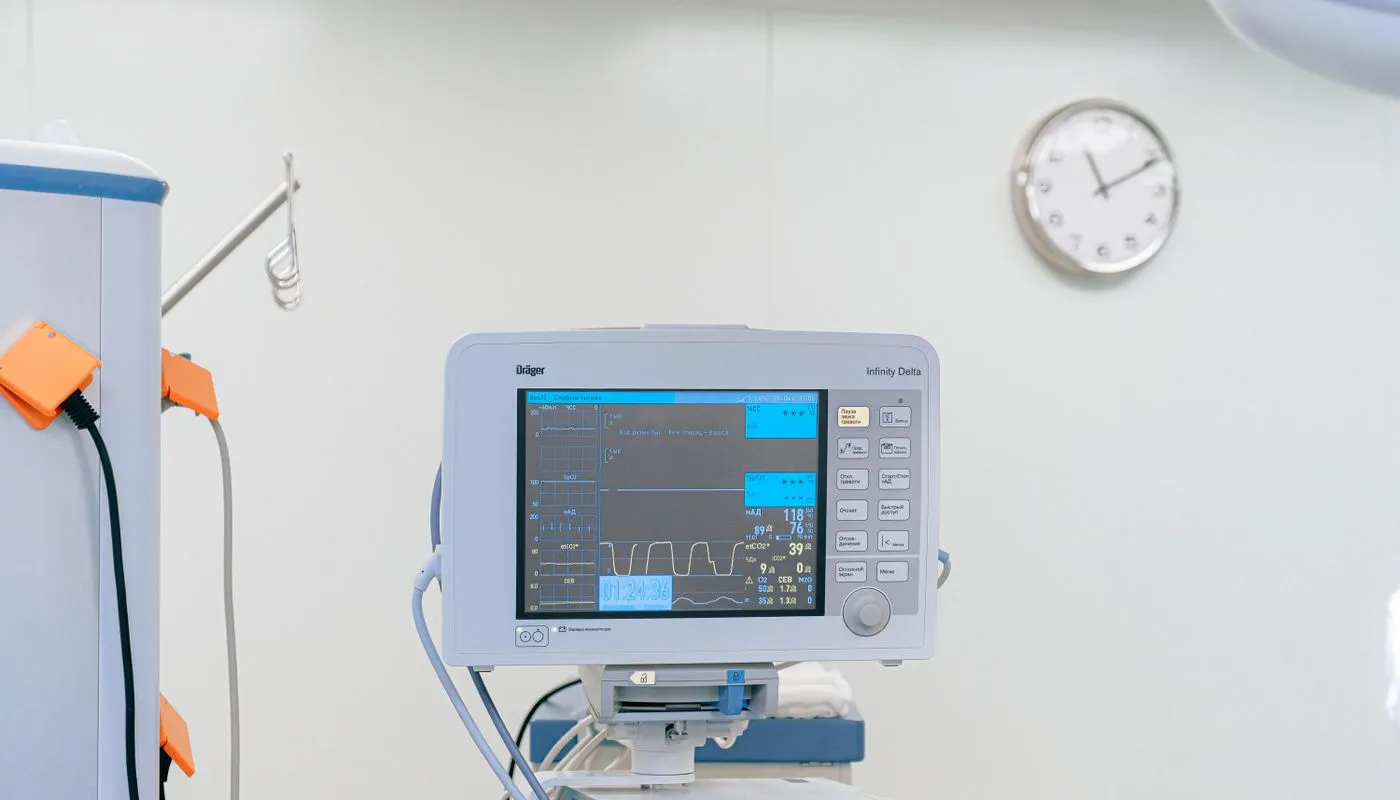
Electronic patient monitor used in a clinical medical environment

Medical electronics procurement

Medical Device Electronic Component Sourcing

Source electronic components for long-lifecycle medical equipment with lot-level documentation, controlled change review, and practical support for obsolescence and continuity planning.

Lot-level traceability
Change-control support
Long-lifecycle planning

Industry sourcing brief

What changes the sourcing decision in medical devices

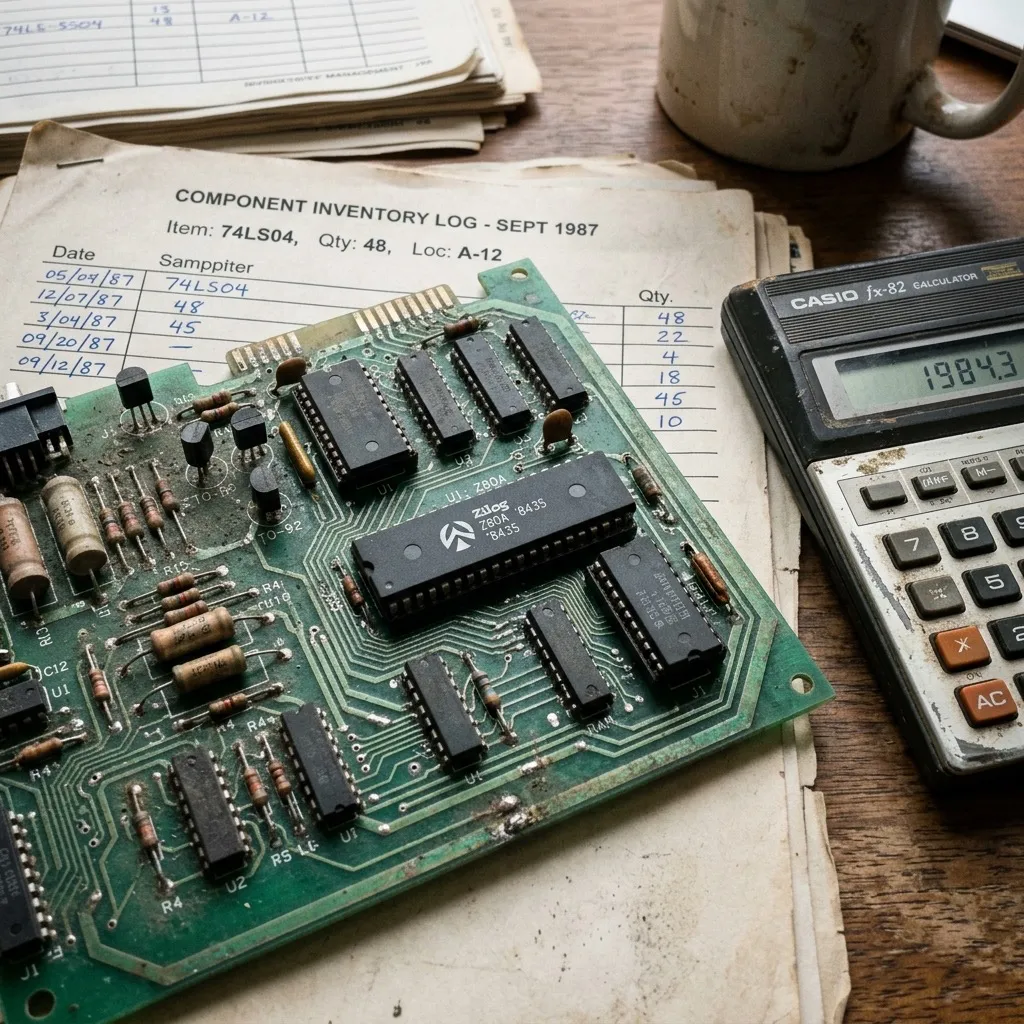
Medical device components often remain in production far longer than the commercial electronics cycles that supply them. A single discontinued MCU, memory device, display driver, or power-management IC can force a costly design review when the equipment platform is still being serviced.

SupplyICs supports medical device electronics teams by locating specified parts, documenting the available supply path, and separating immediate continuity actions from longer-term redesign or second-source decisions. Customer engineering and quality teams retain approval of every component and supplier change.

Ultrasound imaging equipment used in a clinical examination room
Imaging platforms combine precision signal, processing, memory, display, and power components.
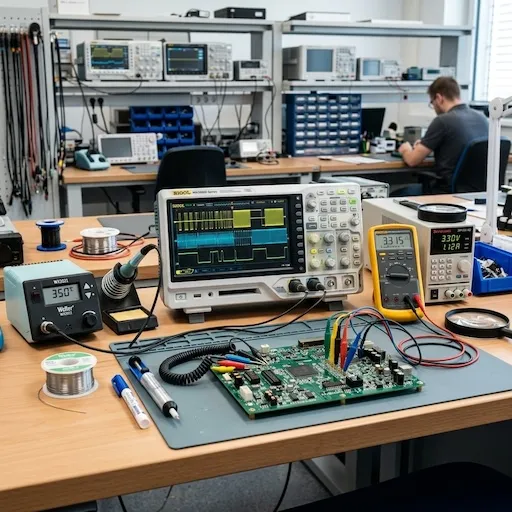
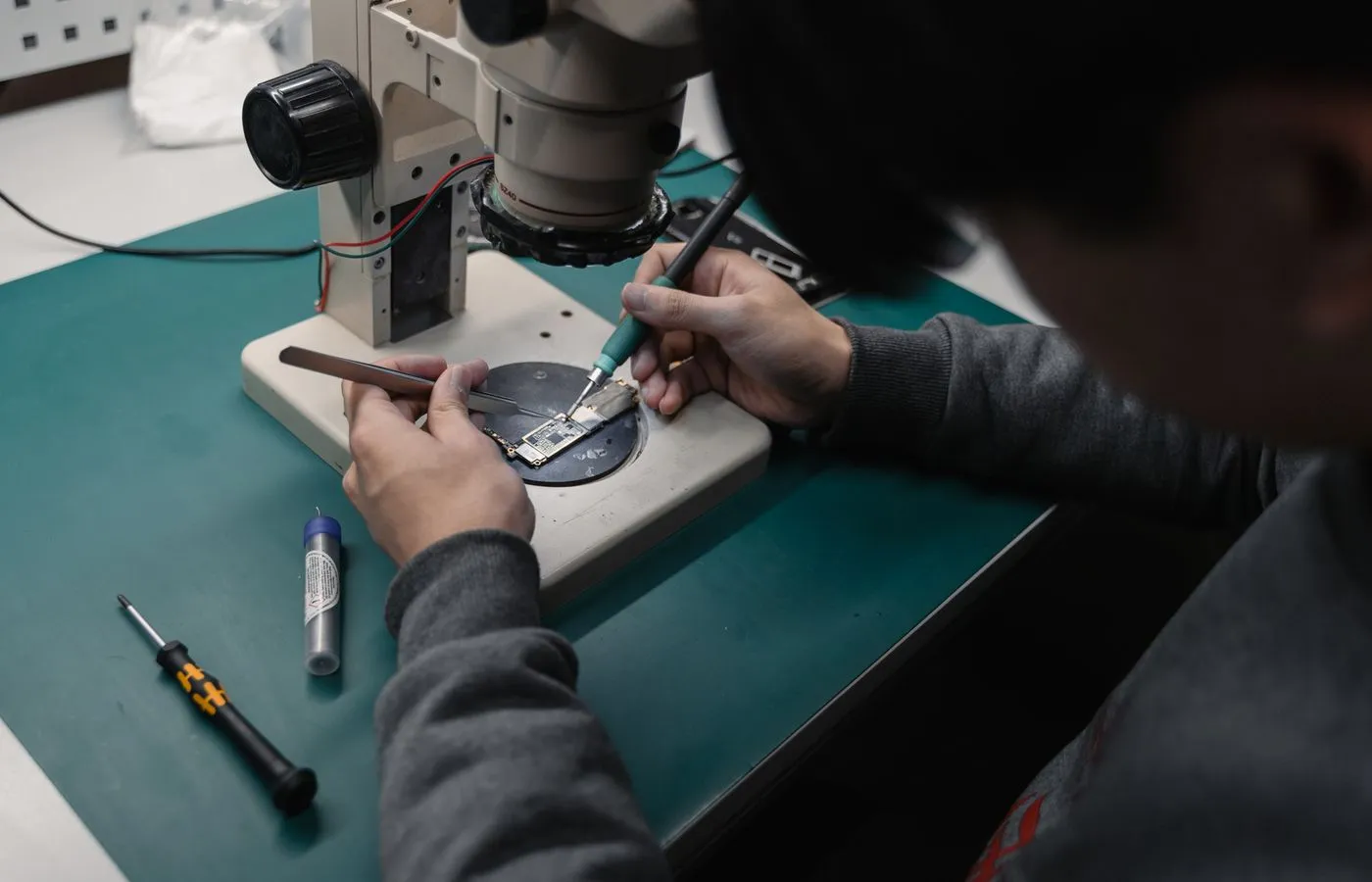
Technician examining a populated circuit board through a laboratory microscope
Board-level inspection helps relate the ordered component to its package and assembly context.
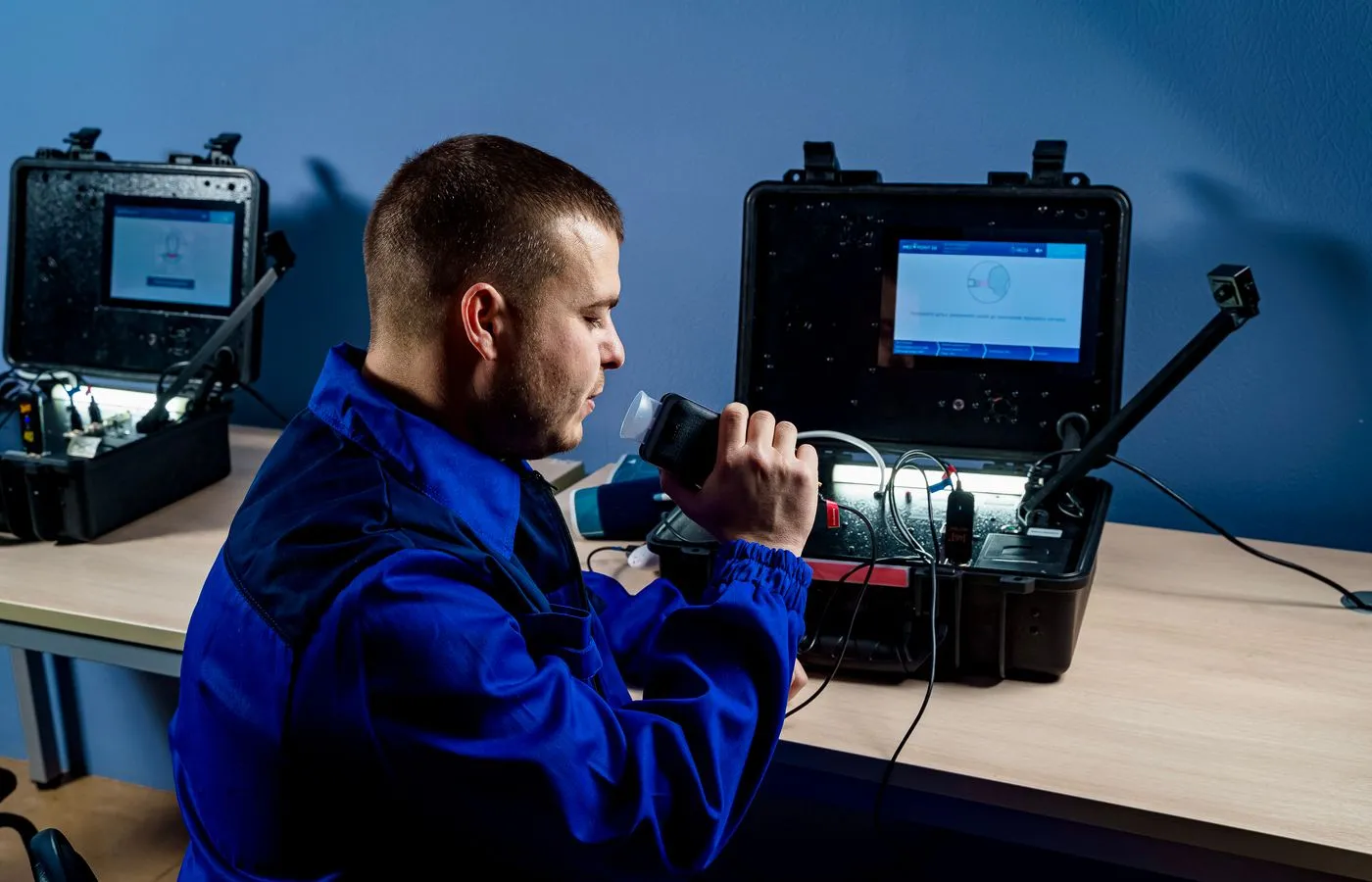
Technician preparing portable electronic diagnostic equipment
Service continuity depends on documented components, testable assemblies, and controlled changes.

Procurement decision factors

Questions that determine the viable sourcing route

01

How long must the platform remain serviceable?

Installed-base horizon, service obligations, forecast demand, and current lifecycle status.

Last-time buy, managed buffer, or a planned redesign path.

02

What design change is actually permitted?

Approved BOM, drawing revision, firmware baseline, package, and functional criticality.

Exact-part sourcing, same-family migration, or formal requalification.

03

Which records must travel with the material?

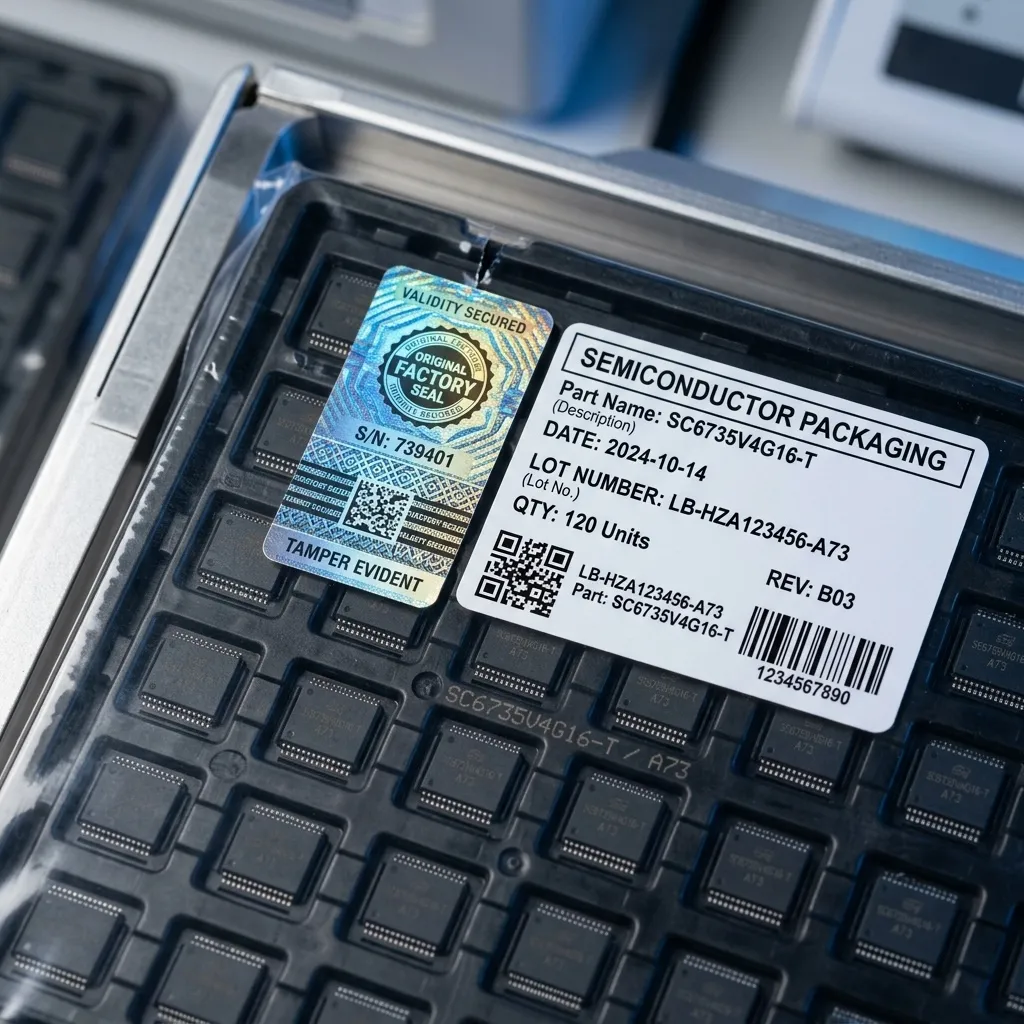
Required lot and date-code data, source documents, inspection results, and packing records.

The acceptable source route and evidence package for release.

04

How should an alternative be validated?

Electrical, mechanical, software, risk-management, and regulatory constraints.

Sample plan, comparison scope, and customer approval gates.

Application coverage

Systems and functions we support

Patient monitoring

Signal-chain ICs · Isolation devices · Displays and touch controllers · Power management

Diagnostics & imaging

Data converters · FPGAs and processors · Precision timing · Memory and storage

Therapy & laboratory equipment

Motor drivers · Sensors · Connectivity ICs · Embedded controllers

BOM coverage

Component families reviewed together

Control & compute

MCUs · MPUs · FPGAs · Memory

Analog & sensing

ADCs/DACs · Amplifiers · Isolation · Sensor interfaces

Power & connectivity

PMICs · DC/DC · USB/Ethernet · Wireless modules

Technical review scope

What engineers examine beyond availability

The useful comparison points depend on the circuit role, operating environment, released configuration, and the consequence of failure. These four review areas define the first technical brief for medical devices requirements.

01

Control and compute baseline

MCUs, MPUs, FPGAs, memory devices, firmware revisions, and programmed content are checked together so an available order code is not separated from the released equipment configuration.

02

Precision analog and isolation

Signal-chain accuracy, input noise, drift, leakage current, isolation rating, and diagnostic behavior are reviewed for patient monitoring, imaging, laboratory, and therapy electronics.

03

Power and thermal behavior

PMICs, DC/DC converters, protection devices, motor drivers, and thermal limits are compared against the real duty cycle and enclosure of the medical equipment.

04

Change evidence and service life

Lifecycle notices, traceability, lot records, inspection results, and change-control inputs support a medical device supply chain decision without replacing the manufacturer’s regulatory process.

Risk priorities

Issues to resolve before an offer becomes a decision

  1. RISK 01

    Long equipment lifecycles

    Component availability can end years before installed medical equipment reaches its final service date.

  2. RISK 02

    Controlled design changes

    Package, firmware, performance, or source changes may require documented engineering and quality review.

  3. RISK 03

    Evidence continuity

    Date code, lot identity, inspection records, and source documentation must remain connected to the delivered material.

Procurement response

From exact requirement to an auditable decision

A useful sourcing response explains what was matched, what evidence is available, where uncertainty remains, and which approvals are still required.

  1. 01

    Confirm the exact requirement

    Validate manufacturer, full ordering code, package, grade, quantity, and approved substitutions.

  2. 02

    Map lifecycle exposure

    Separate active, constrained, NRND, EOL, and discontinued lines for a prioritized response.

  3. 03

    Verify available material

    Review source evidence, lot details, packaging condition, and the inspection plan before shipment.

  4. 04

    Support controlled qualification

    Provide comparison evidence and samples when a candidate alternative requires customer validation.

Qualification boundary

Application requirements remain order-specific

For ISO 13485-controlled or FDA-regulated workflows, SupplyICs provides procurement and inspection documentation for customer review. This service does not replace the device manufacturer’s supplier qualification, risk management, or regulatory change-control responsibilities.

Manufacturer inventory

Relevant supply paths

FAQ

Medical Devices component sourcing questions

Can you approve an alternate part for a medical device?

We can identify and document candidate alternatives, but the medical device manufacturer’s engineering and quality teams must approve any design or supplier change.

What information should a medical component RFQ include?

Include the full manufacturer part number, package and grade, approved manufacturer list, required quantity, target date, date-code limits, documentation needs, and whether alternatives may be considered.

Can you support discontinued components used in installed equipment?

Yes. We can search for traceable stock, help compare available lots, and support a parallel review of longer-term replacement options.

Discuss a medical devices component requirement

Provide the exact manufacturer part number, quantity, required date, application constraints, and documentation needs. We will respond with the next practical sourcing step.