Skip to Content
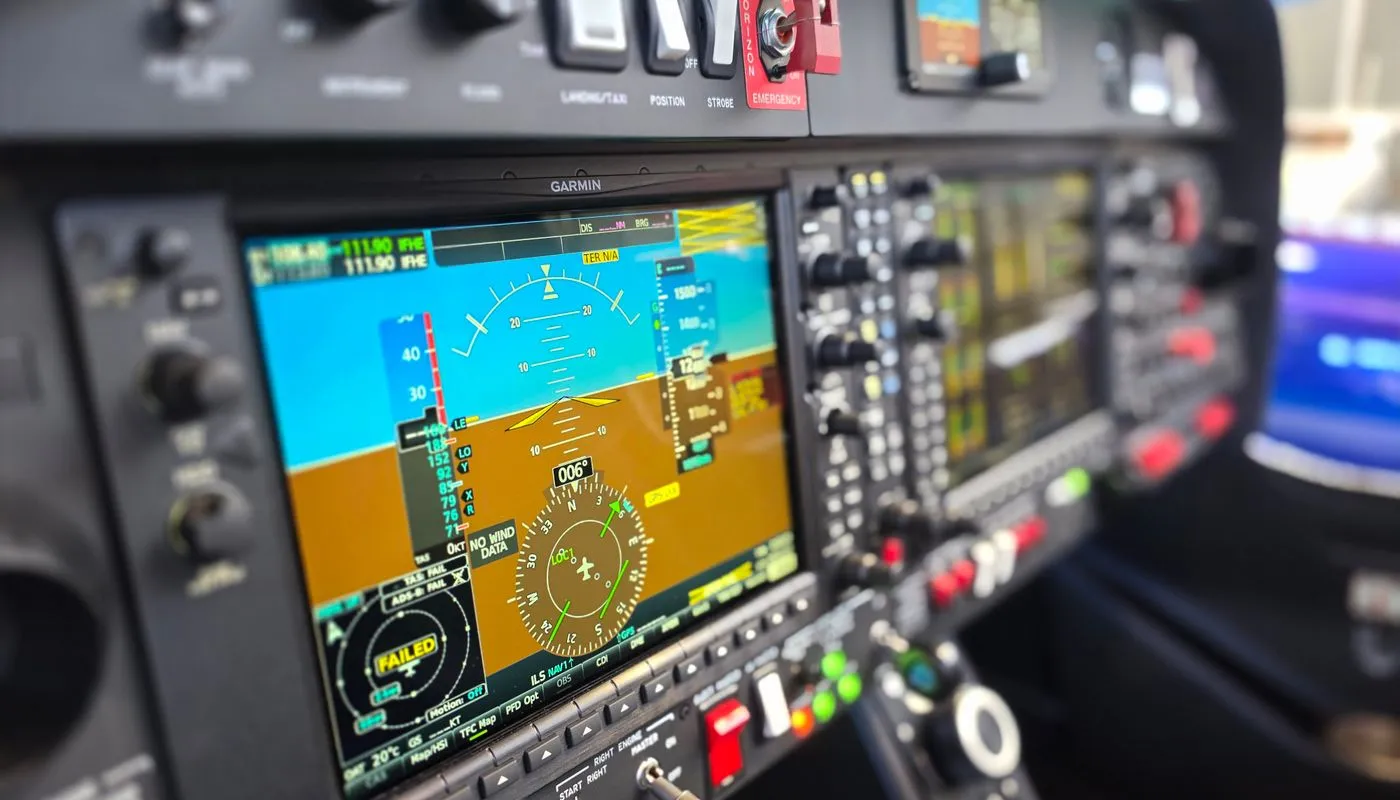
Modern aircraft cockpit with digital avionics displays

High-reliability electronics

Aerospace & Defense Electronic Component Sourcing

Source high-reliability, military, radiation-tolerant, and radiation-hardened component part numbers with documentation-led review, inspection planning, and export-control screening.

Part and revision control
High-reliability screening
Export review before commitment

Industry sourcing brief

What changes the sourcing decision in defense & aerospace

Aerospace components and defense electronics often combine a long service life with strict configuration control and a limited approved supply base. Legacy military part numbers, radiation-qualified devices, ceramic packages, and obsolete logic or memory require a sourcing process built around evidence—not just a stock indication.

SupplyICs reviews the complete acquisition requirement before presenting an offer. Part marking, manufacturer, SMD or drawing references, screening level, lot details, source evidence, inspection scope, and applicable export restrictions must remain explicit throughout the transaction.
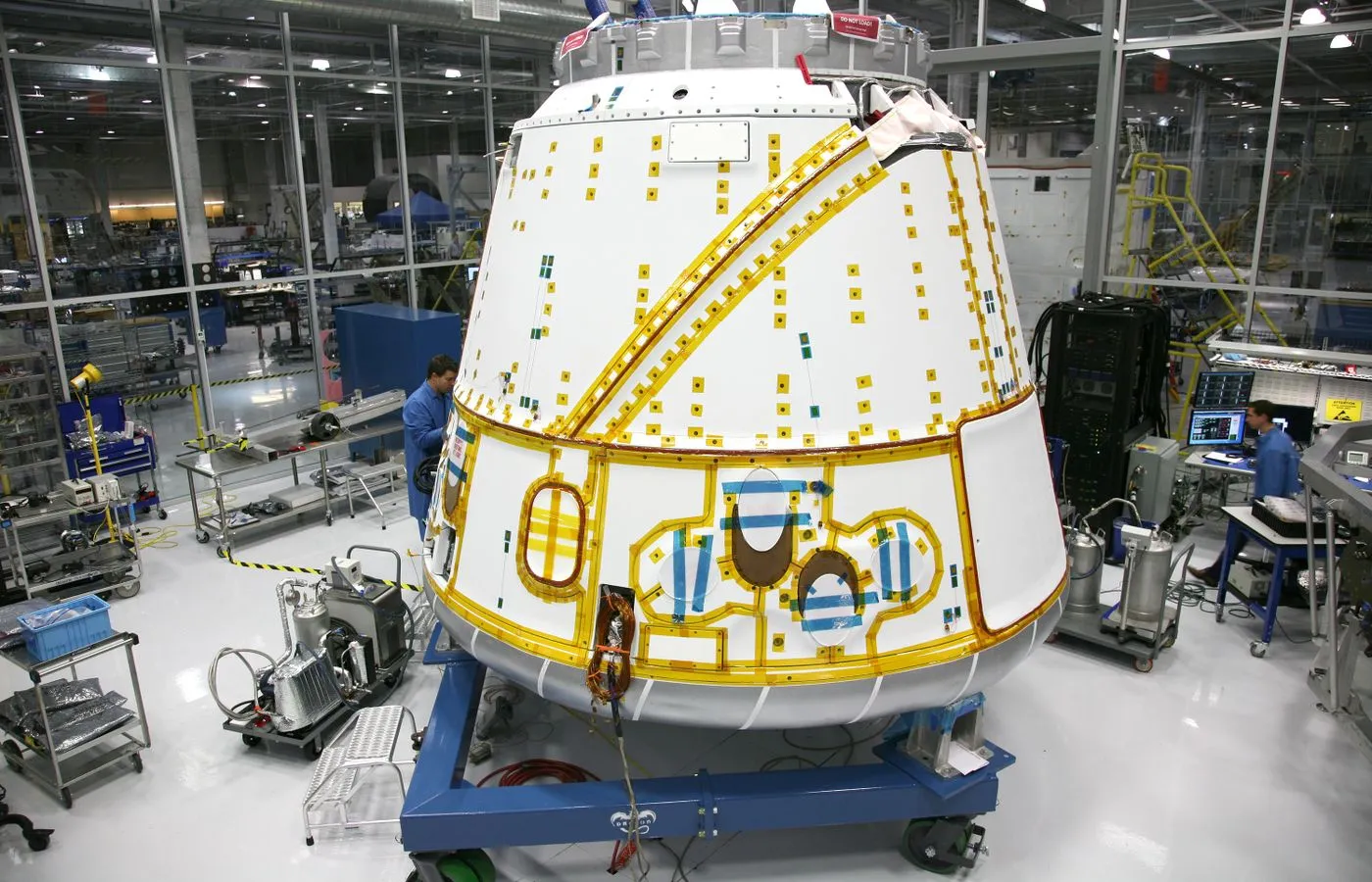
Spacecraft capsule undergoing assembly and verification in a controlled facility
Space hardware links component evidence to configuration, environment, and mission requirements.
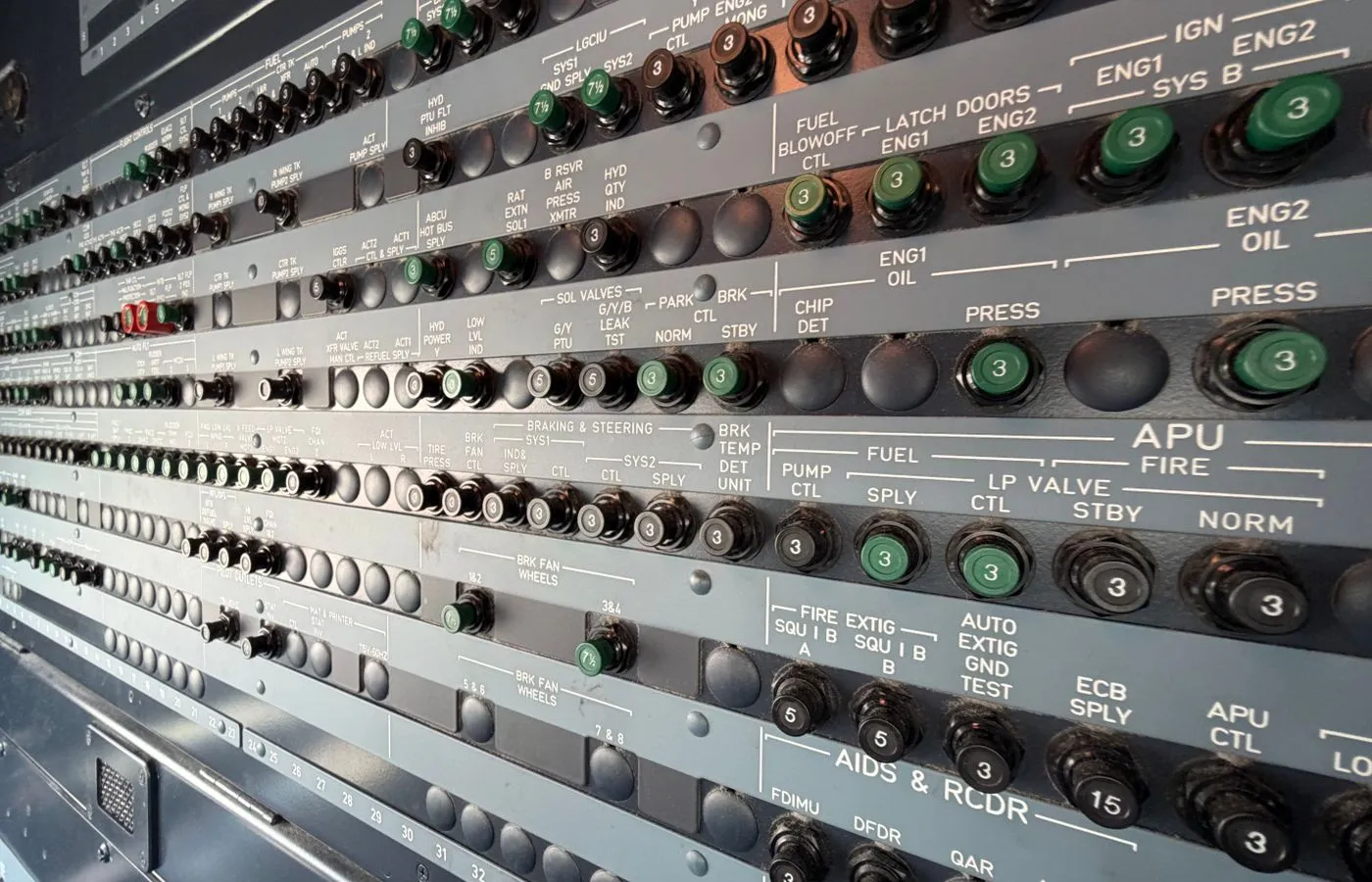
Aircraft avionics circuit-breaker and systems control panel
Avionics components remain part of a tightly controlled system and maintenance baseline.
Aircraft undergoing maintenance inside an aviation hangar
Long platform service lives make traceable legacy supply and obsolescence planning essential.

Procurement decision factors

Questions that determine the viable sourcing route

01

Which specification governs the acquisition?

Complete part number, drawing or SMD reference, revision, class, screening, and radiation level.

The exact configuration that may be quoted and inspected.

02

Can the source and lot history be substantiated?

Chain-of-custody records, certificates, lot photographs, packaging, and date-code information.

Source acceptability and the depth of authentication required.

03

What screening is required?

Platform criticality, scarcity, unit value, package type, and customer acceptance criteria.

Visual, X-ray, electrical, destructive, or additional laboratory work.

04

Are transaction controls resolved?

End use, destination, classification information, and handling of technical data.

Whether the order can proceed and which documentation is needed.

Application coverage

Systems and functions we support

Avionics & navigation

FPGAs · Data converters · Precision timing · Interface and isolation ICs

Space & high-altitude systems

Rad-hard logic · Radiation-tolerant MCUs · Memory · Power management

Communications & ground systems

RF devices · Processors · Power modules · Legacy logic

BOM coverage

Component families reviewed together

High-reliability compute

QML devices · FPGAs · Processors · Memory

Signal & timing

ADCs/DACs · RF ICs · Oscillators · Interface devices

Power & discrete

Rad-hard power · MOSFETs · Voltage references · Optocouplers

Technical review scope

What engineers examine beyond availability

The useful comparison points depend on the circuit role, operating environment, released configuration, and the consequence of failure. These four review areas define the first technical brief for defense & aerospace requirements.

01

Exact configuration control

Military electronic components are resolved to the complete part number, source-control or standard microcircuit drawing, revision, screening class, package, finish, and applicable lot restrictions.

02

Radiation environment

Rad-hard electronics and radiation-tolerant candidates are separated by total ionizing dose, single-event behavior, qualification basis, test evidence, and the mission profile that governs acceptance.

03

Package and environmental limits

Ceramic and hermetic packages, temperature range, moisture sensitivity, lead finish, storage history, and mechanical constraints can be decisive for avionics components and space hardware.

04

Authentication and traceability

Chain of custody, certificates, lot photographs, marking review, X-ray, electrical testing, and destructive analysis are selected according to source risk and platform criticality.

Risk priorities

Issues to resolve before an offer becomes a decision

  1. RISK 01

    Diminishing sources

    Original manufacturers may discontinue packages or process nodes while the supported platform remains active.

  2. RISK 02

    Configuration sensitivity

    A similar base number can represent a different screening level, radiation grade, package, or drawing revision.

  3. RISK 03

    Counterfeit exposure

    Scarcity and high unit value increase the need for risk-based visual, X-ray, electrical, and destructive analysis.

Procurement response

From exact requirement to an auditable decision

A useful sourcing response explains what was matched, what evidence is available, where uncertainty remains, and which approvals are still required.

  1. 01

    Resolve the governing specification

    Confirm full part number, SMD or drawing reference, revision, class, screening, and radiation requirements.

  2. 02

    Review source evidence

    Connect chain-of-custody information, lot identity, photographs, and available certificates.

  3. 03

    Set the inspection plan

    Match visual, X-ray, electrical, or destructive testing to the part and sourcing risk.

  4. 04

    Clear transaction controls

    Confirm end use, destination, classification information, and required export review before commitment.

Qualification boundary

Application requirements remain order-specific

ITAR, EAR, DLA, QML, MIL-STD, and radiation requirements are order-specific. SupplyICs does not represent every transaction or part as compliant by default; eligibility, documentation, testing, and export controls are reviewed against the customer’s written requirement.

Manufacturer inventory

Relevant supply paths

FAQ

Defense & Aerospace component sourcing questions

Can you supply radiation-hardened or radiation-tolerant parts?

We can search for specified rad-hard and rad-tolerant orderable part numbers. Radiation performance, screening level, documentation, and applicability must be confirmed against the governing specification.

Is every defense or aerospace order ITAR controlled?

No. Controls depend on the item, technical data, end use, destination, and transaction. Applicable classification and export requirements must be reviewed for each order.

Which inspection methods are available for obsolete military components?

Depending on risk and customer requirements, the plan may include detailed visual inspection, marking review, X-ray, electrical testing, solderability, decapsulation, or other laboratory analysis.

Discuss a defense & aerospace component requirement

Provide the exact manufacturer part number, quantity, required date, application constraints, and documentation needs. We will respond with the next practical sourcing step.