Skip to Content
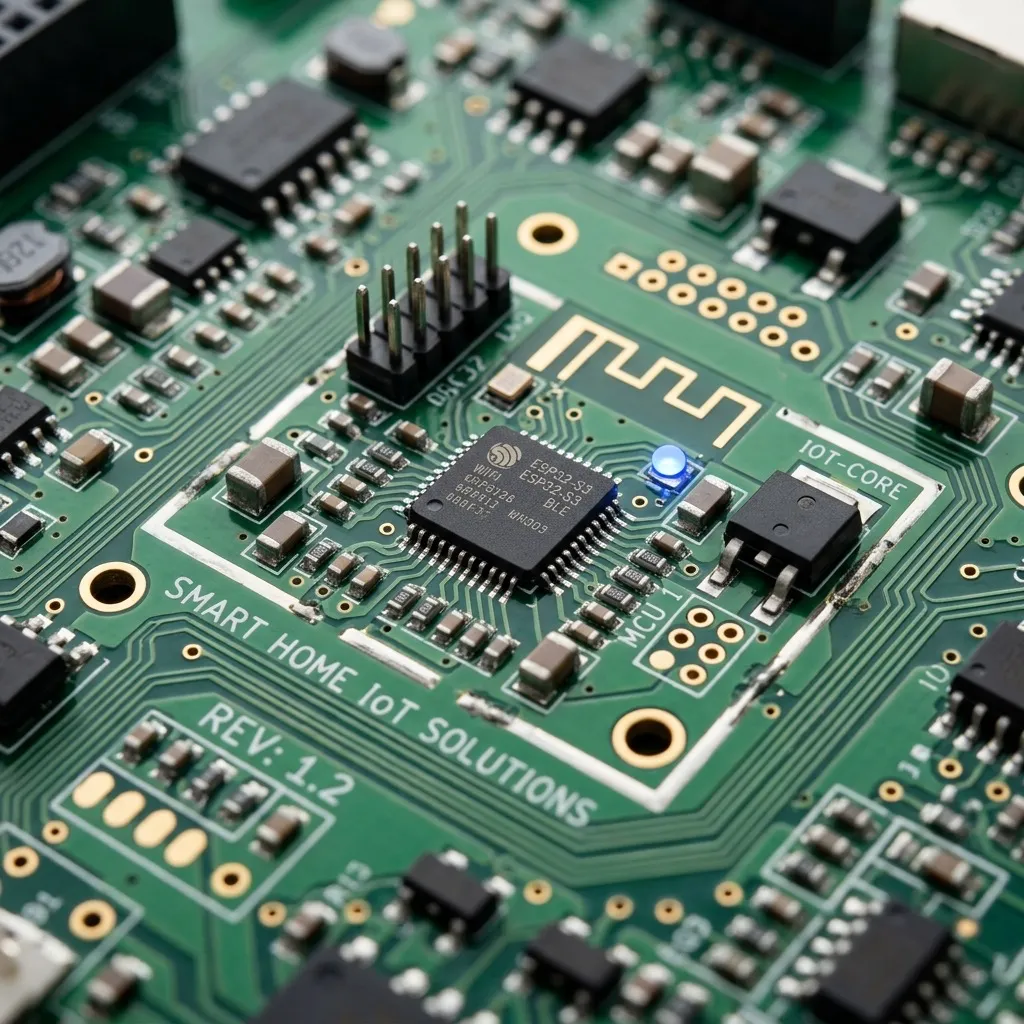
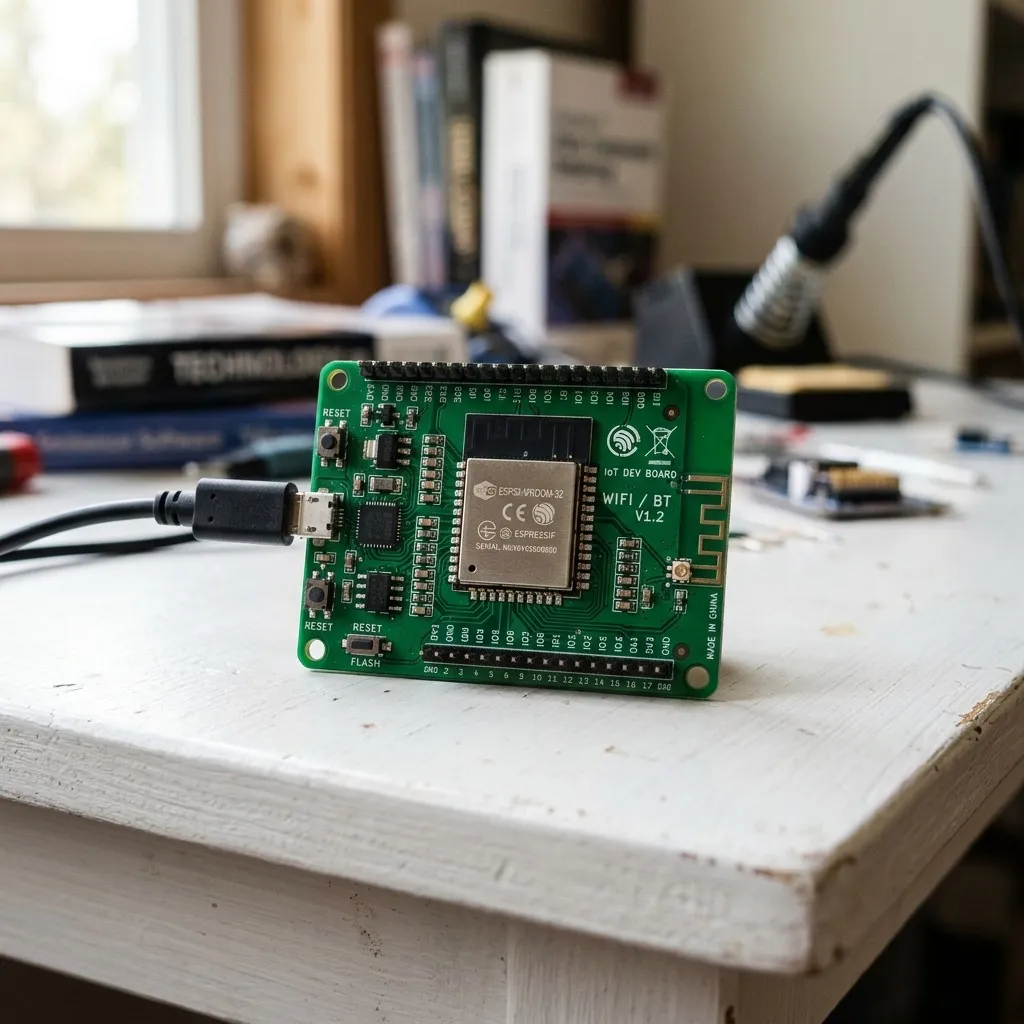
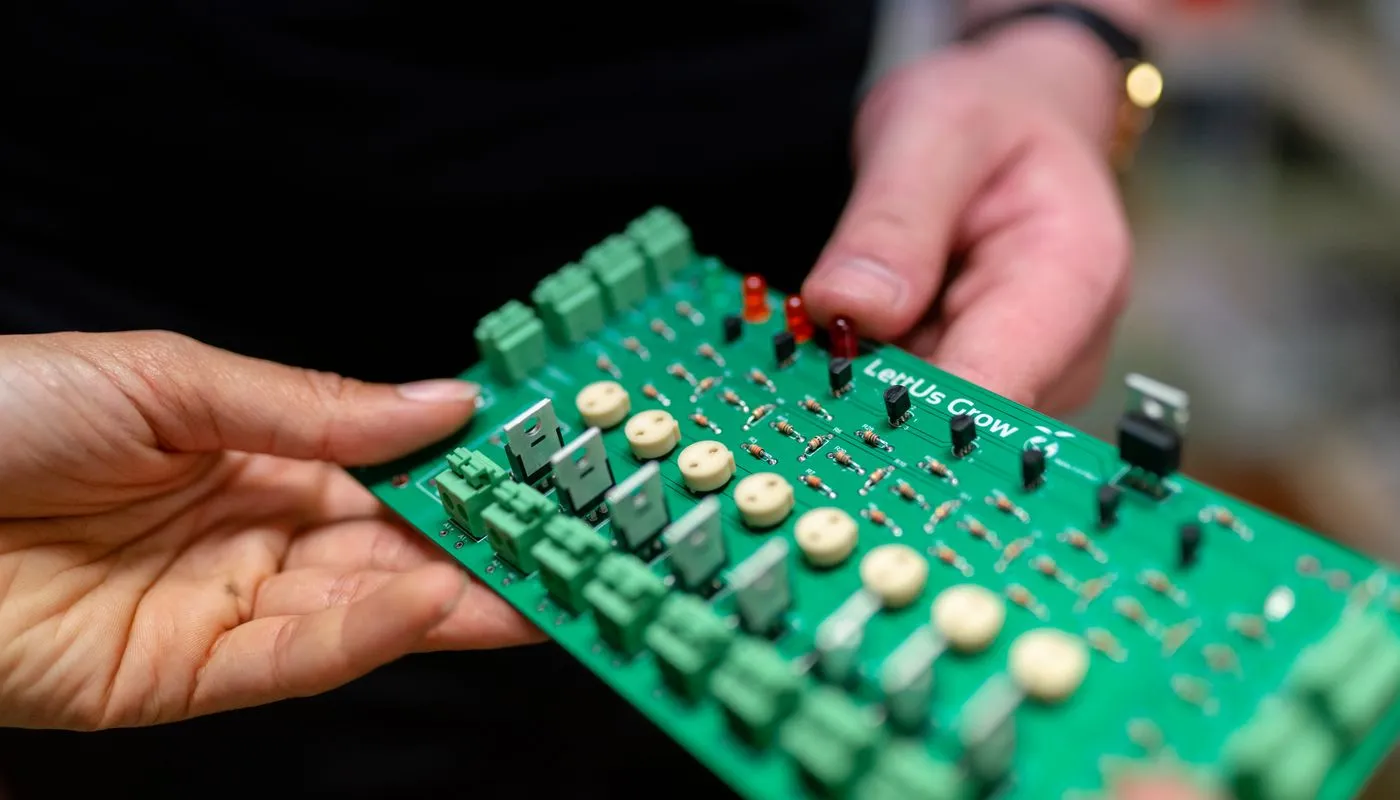
Hardware engineers inspecting an electronic circuit board for a connected device

IoT chips and wireless modules

IoT Hardware & Connected Device Component Sourcing

Source IoT chips, wireless modules, low-power MCUs, sensors, memory, and power devices with cost-aware BOM review and multi-source planning for connected products.

Wireless module sourcing
Cost and lifecycle review
Volume-ready BOM planning

Industry sourcing brief

What changes the sourcing decision in iot & connected devices

Connected products bring together RF, compute, sensing, memory, security, and power management in compact, cost-sensitive designs. A change in a wireless module, MCU, flash device, or sensor can affect firmware, certification, enclosure, and launch timing at the same time.

SupplyICs helps hardware teams source specified IoT components and review BOM concentration before volume production. Alternative recommendations are categorized by the work they require—from same-family orderable options to redesign candidates—so purchasing speed does not obscure engineering risk.
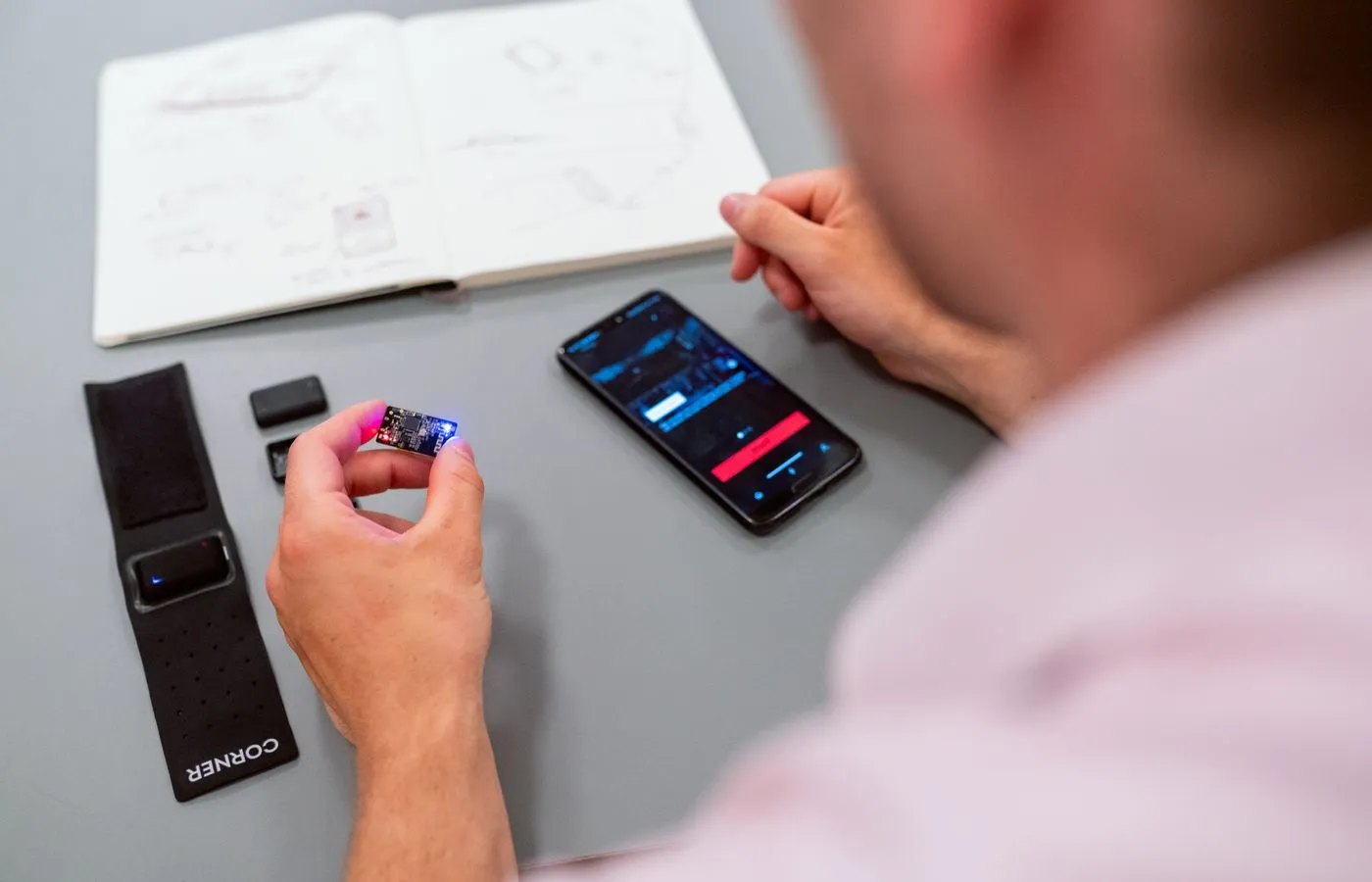
Engineer testing a wearable electronics prototype and connected mobile application
Wearable prototypes connect low-power hardware, firmware, sensors, and the user application.
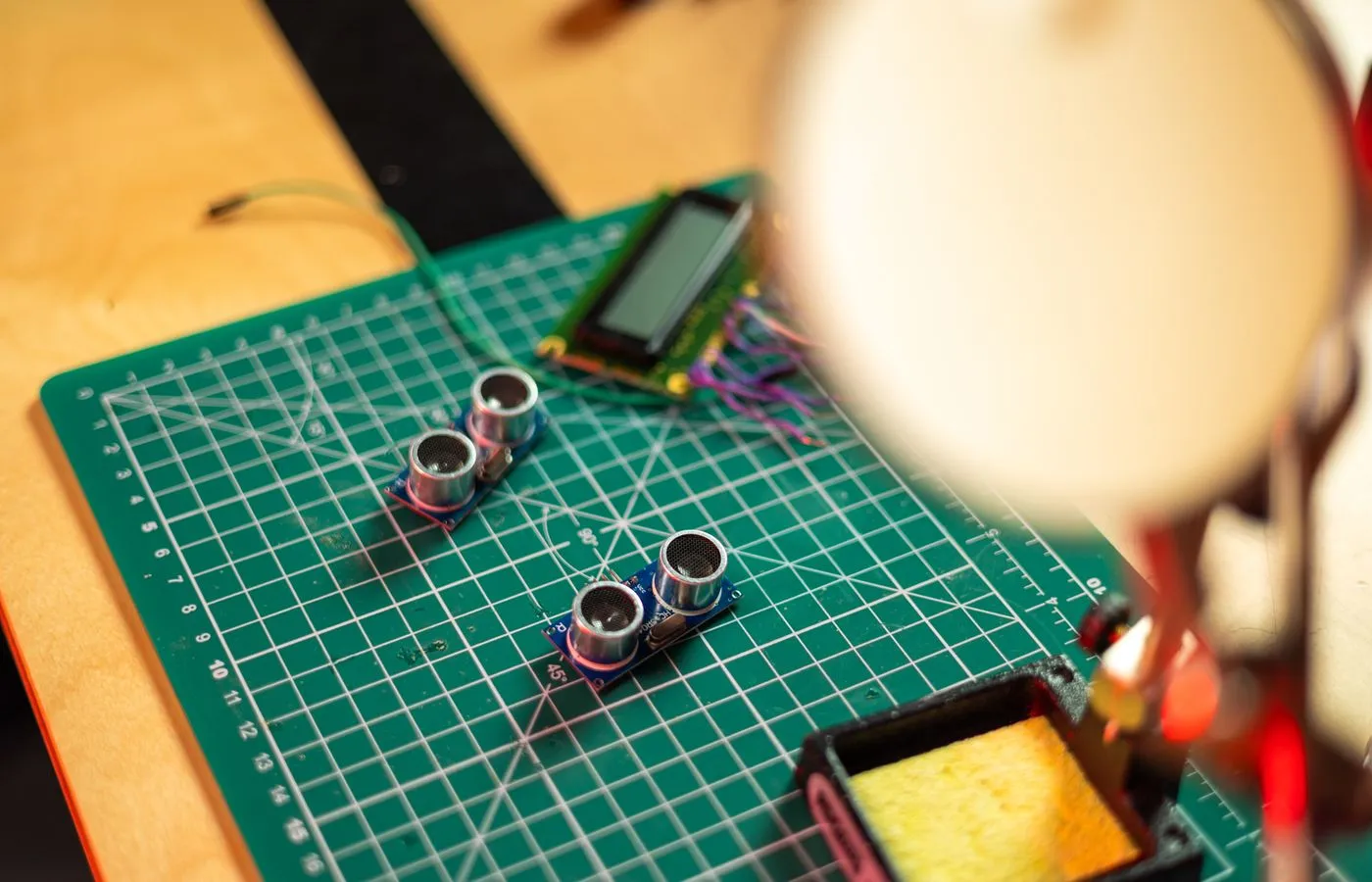
Ultrasonic sensor modules being assembled on an electronics workbench
Sensor selection connects interface behavior, calibration, power, mechanics, and firmware.
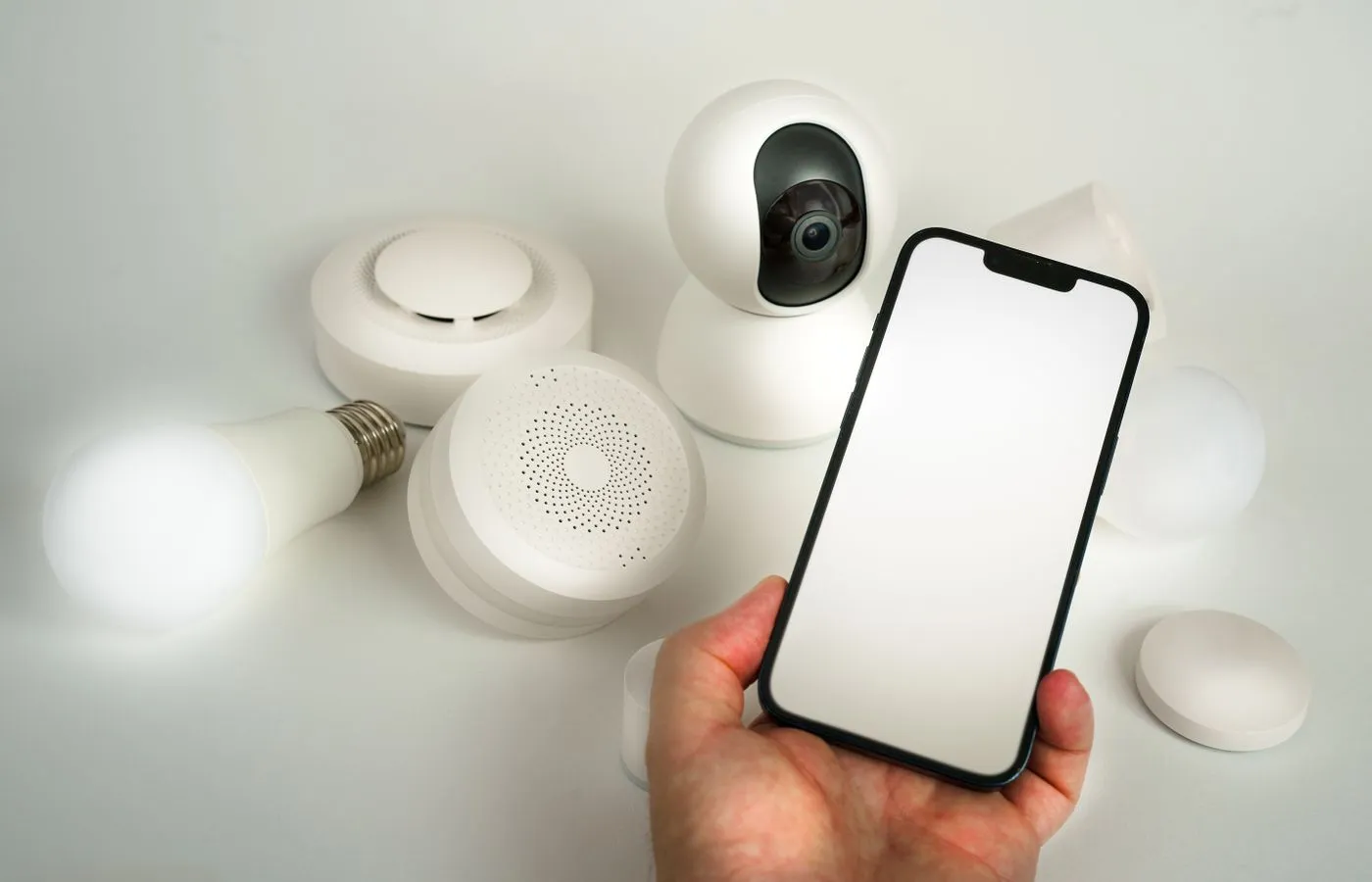
Smart-home camera, sensors, lighting, and mobile control interface
Connected products combine wireless modules, sensing, compute, security, and power management.

Procurement decision factors

Questions that determine the viable sourcing route

01

Which parts are coupled to firmware or RF design?

Drivers, SDK, register behavior, antenna path, security provisioning, and enclosure constraints.

Whether a candidate is a purchasing change or a redesign.

02

Which regional approvals are in scope?

Product markets, radio configuration, module approvals, cybersecurity, and labeling requirements.

The compliance work required before production use.

03

Is the BOM ready for volume?

Forecast, MOQ, lead time, lifecycle, approved sources, and concentration risk.

Sample timing, buffer quantity, and second-source priorities.

04

Where can cost be reduced safely?

Landed cost, engineering effort, test burden, tooling, certification, and lifecycle exposure.

A total-cost decision rather than a unit-price comparison.

Application coverage

Systems and functions we support

Smart home & appliances

Wi-Fi/Bluetooth SoCs · MCUs · Sensors · Power management

Gateways & edge devices

Application processors · Ethernet and cellular · Memory · Secure elements

Wearables & portable devices

Low-power MCUs · MEMS sensors · Battery charging · Compact wireless modules

BOM coverage

Component families reviewed together

Connectivity

Wi-Fi · Bluetooth LE · Cellular · LoRa/GNSS

Compute & sensing

MCUs · MPUs · MEMS · Sensor interfaces

Memory & power

NOR/NAND · eMMC · PMICs · Battery chargers

Technical review scope

What engineers examine beyond availability

The useful comparison points depend on the circuit role, operating environment, released configuration, and the consequence of failure. These four review areas define the first technical brief for iot & connected devices requirements.

01

Compute, memory, and firmware

IoT chips are evaluated with the MCU or application-processor architecture, flash and RAM needs, boot flow, SDK maturity, drivers, security functions, and the maintenance horizon for deployed firmware.

02

Wireless modules and RF path

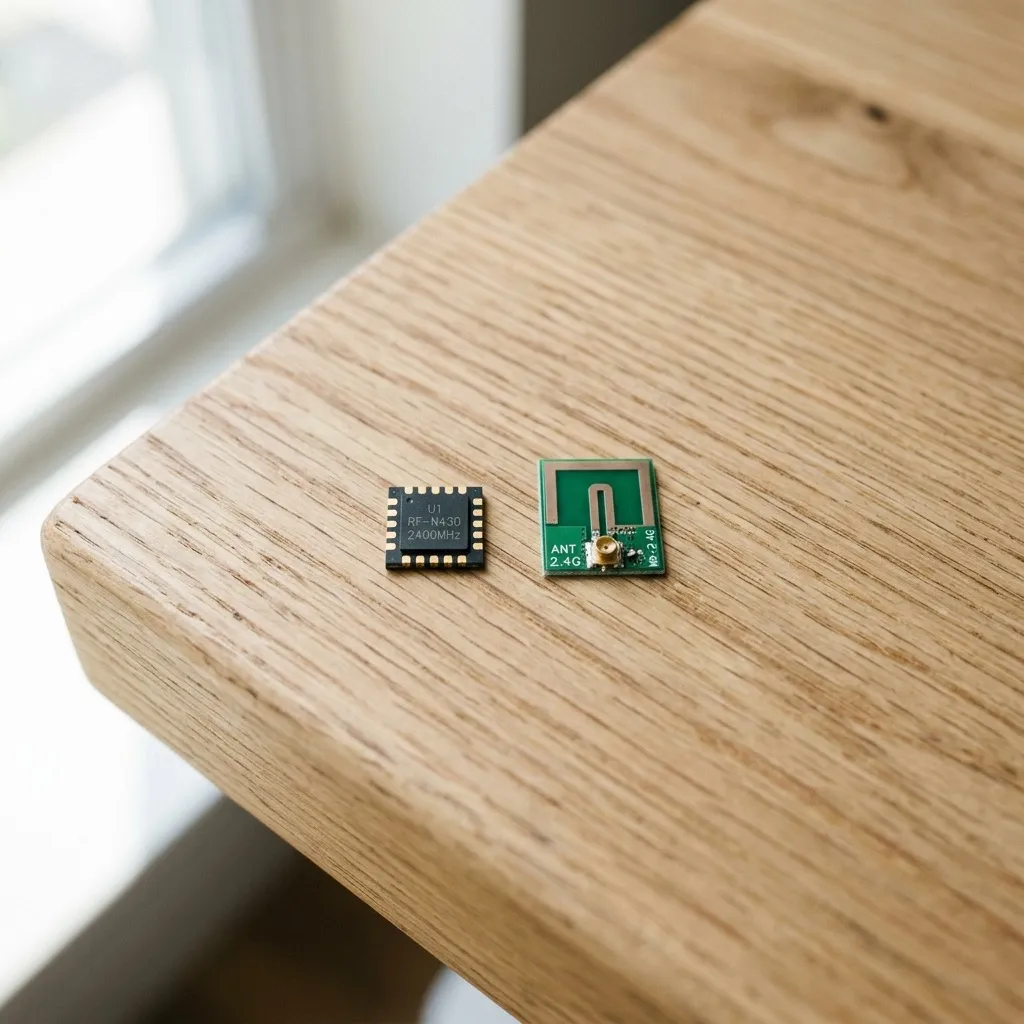
Wi-Fi, Bluetooth LE, cellular, LoRa, and GNSS modules are checked for bands, protocols, antenna interface, coexistence, power states, module approvals, and regional certification impact.

03

Sensors and secure provisioning

MEMS and environmental sensors, secure elements, calibration data, identities, keys, and manufacturing provisioning must remain compatible with the product and cloud onboarding process.

04

Volume supply and total cost

A resilient IoT hardware BOM balances component price with MOQ, lead time, test effort, tooling, certification, lifecycle, and concentration risk before the connected device reaches volume ramp.

Risk priorities

Issues to resolve before an offer becomes a decision

  1. RISK 01

    Fast product cycles

    Wireless standards and consumer platforms evolve faster than many device qualification and field-support horizons.

  2. RISK 02

    BOM cost pressure

    High-volume designs need unit-cost discipline without creating fragile single-source dependencies.

  3. RISK 03

    RF and firmware coupling

    Changing a module or SoC can affect antenna design, software, certification, security, and cloud integration.

Procurement response

From exact requirement to an auditable decision

A useful sourcing response explains what was matched, what evidence is available, where uncertainty remains, and which approvals are still required.

  1. 01

    Map design dependencies

    Identify components tied to firmware, RF certification, security provisioning, or mechanical constraints.

  2. 02

    Benchmark supply options

    Compare availability, MOQ, lifecycle, package, and total landed cost across approved routes.

  3. 03

    Classify alternatives

    Distinguish same-family options, module-level alternatives, and parts requiring PCB or firmware changes.

  4. 04

    Prepare for volume

    Align samples, qualification builds, production quantities, and buffer strategy before ramp.

Qualification boundary

Application requirements remain order-specific

Wireless and connected-device substitutions can affect regional radio approvals, firmware, cybersecurity, and product declarations. Candidate parts and modules require customer engineering and compliance validation before production use.

Manufacturer inventory

Relevant supply paths

FAQ

IoT & Connected Devices component sourcing questions

Can you source complete wireless modules as well as individual ICs?

Yes. RFQs may include qualified modules, connectivity SoCs, RF front-end devices, antennas, secure elements, memory, sensors, and supporting power components.

Can a wireless module be replaced without recertification?

Not automatically. Pinout, RF behavior, antenna path, firmware, regional approvals, security provisioning, and the final product configuration must be reviewed.

How can an IoT BOM be made more resilient before launch?

Identify single-source connectivity, MCU, memory, and sensor lines early; document second-source options; qualify alternates before ramp; and align production forecasts with realistic MOQ and lead-time constraints.

Discuss a iot & connected devices component requirement

Provide the exact manufacturer part number, quantity, required date, application constraints, and documentation needs. We will respond with the next practical sourcing step.