
Semiconductor Market Intelligence & Insights
Strategic analysis of global IC supply chains, procurement trends, and lifecycle solutions for electronics industry professionals.
Supply Chain Articles

Component Supplier Delivery: Measure OTD and OTIF Consistently
Calculate component supplier OTD and OTIF with explicit line, quantity, due-date and receipt rules; preserve promise-date changes and unresolved overdue orders.
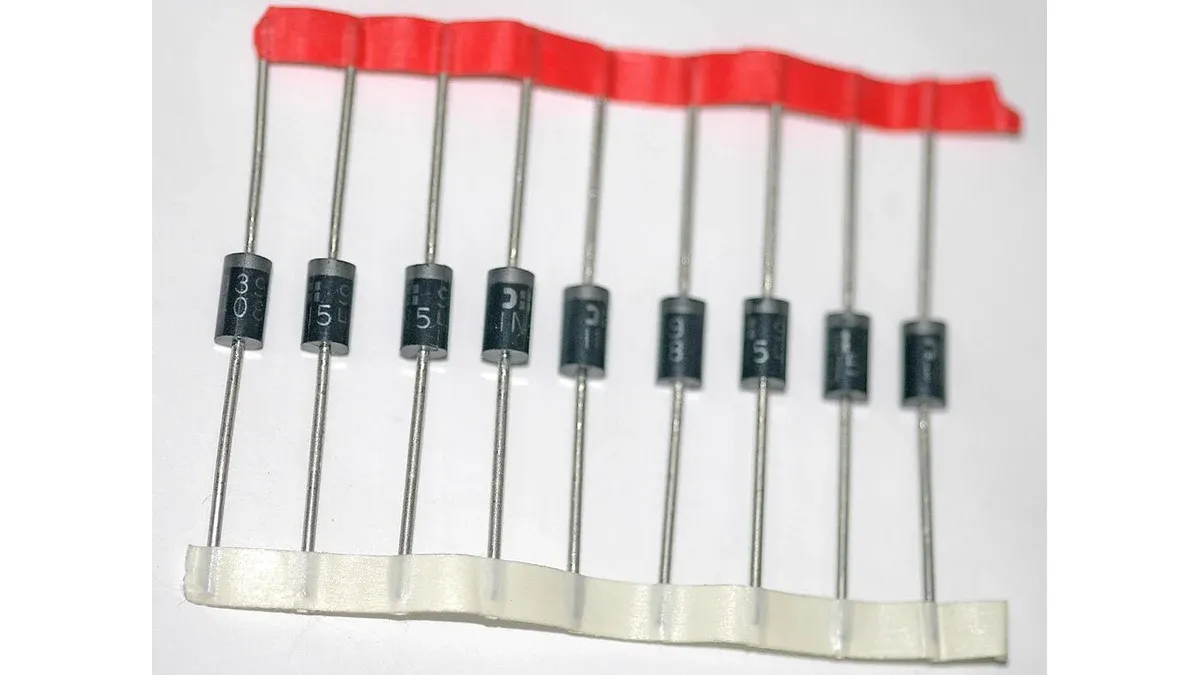
Consignment Component Inventory: Reconcile Consumption and Replenishment
Reconcile consigned electronic components by owner, lot and transaction: receipts, consumption, scrap, returns and the contract's ownership-transfer trigger.
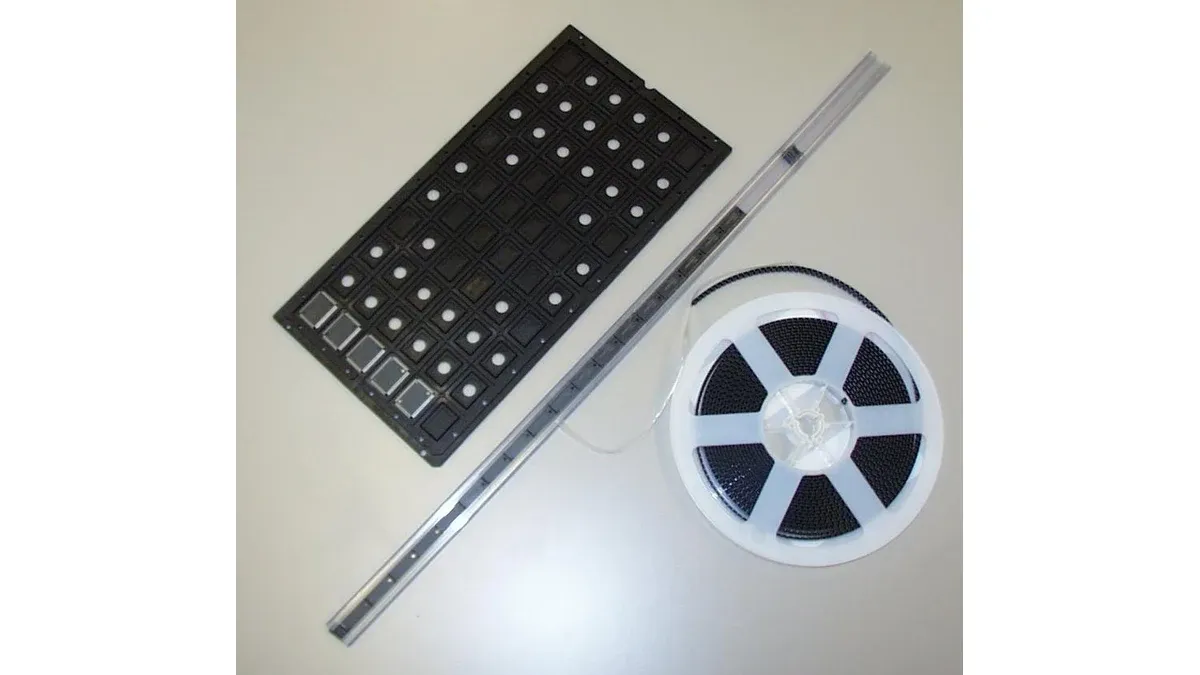
Electronic Component Inventory: Count Reels Without Losing Lot Identity
Reconcile electronic component inventory by reel, lot, owner and disposition using partial-reel counts, transaction cut-offs and controlled variance investigation.

Electronic Component PO Quality Clauses: Write Requirements That Can Be Accepted
Turn component quality expectations into purchase-order clauses with defined scope, evidence, acceptance criteria, change notice, nonconformance control, and remedies.
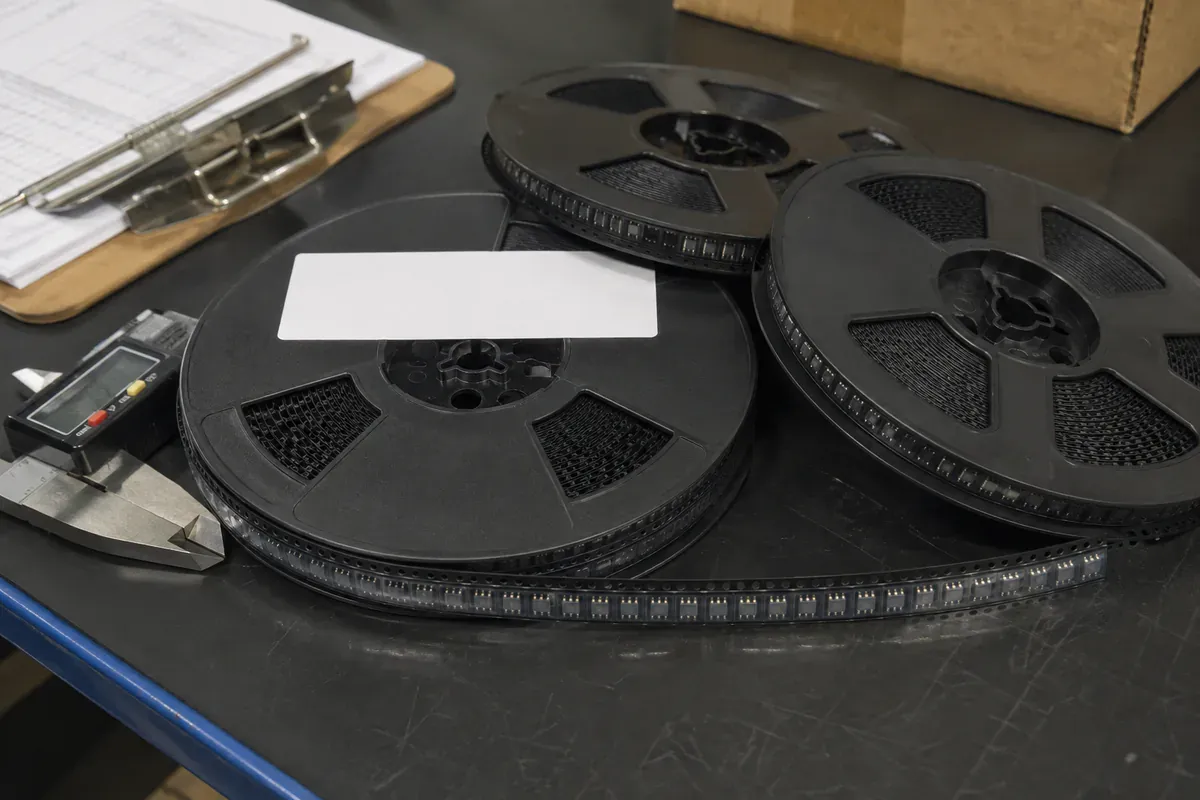
Cut Tape vs. Tape and Reel: Feeder Readiness and Lot Traceability
Choose cut tape, original reels, or custom reels using feeder requirements, usable quantity, lot identity, and moisture-exposure handoff records.
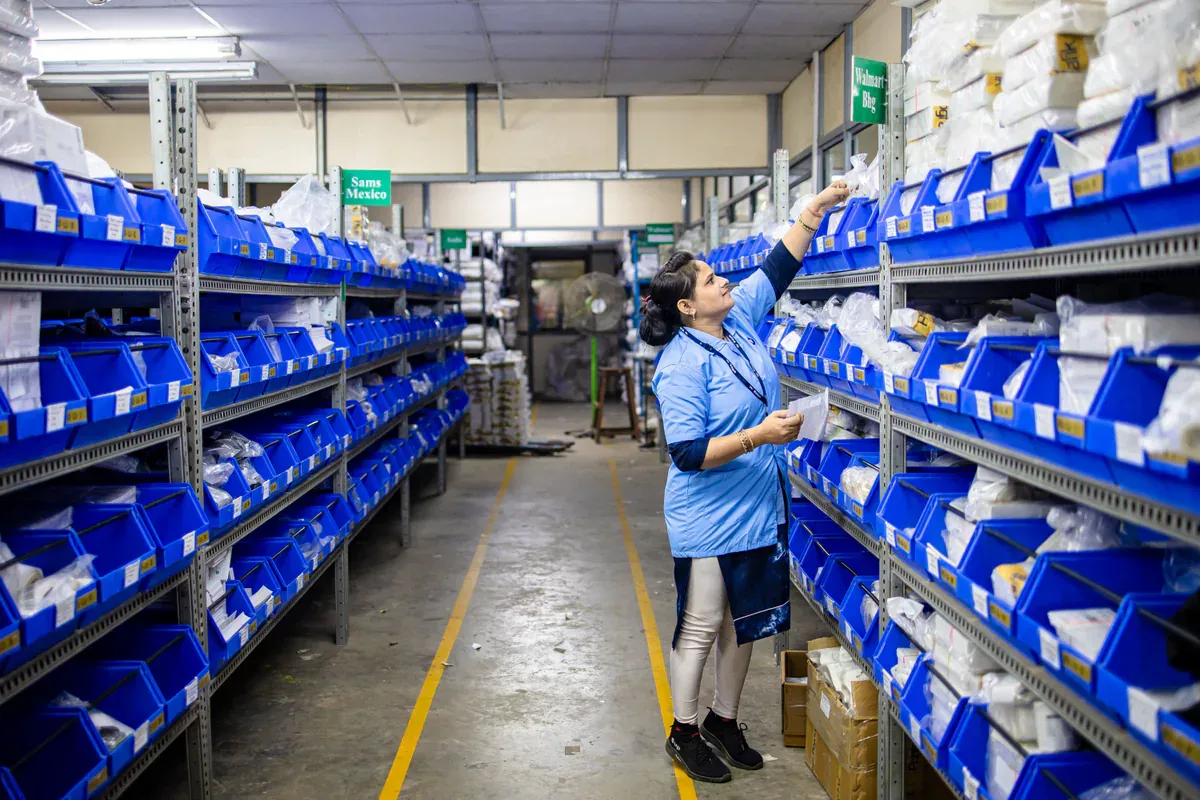
Electronic Component Safety Stock: Set a Reorder Point from Usable Supply
Separate safety stock from normal lead-time demand, count only usable inventory, and test a component reorder point against delivery variability.

ADSP-BF533SBBCZ500 Sourcing: Lifecycle, BGA and Continuity Planning
Source ADSP-BF533SBBCZ500 with current lifecycle, 160-ball CSPBGA, speed-grade, PCN, traceability, moisture, inspection, and redesign planning controls.

Industrial Spare Parts Sourcing: Repair, Obsolete Stock, or Redesign?
Choose between industrial electronics repair, obsolete spare stock, and redesign by verifying the failed unit, compatibility, downtime, evidence, and lifecycle.

Turnkey vs. Consigned Components: Choosing a Sourcing Model for Contract Manufacturing
Compare turnkey, consigned, and hybrid component sourcing for PCB assembly by cash, liability, lead time, traceability, and BOM-line risk.

Semiconductor Tariffs in 2026: Landed-Cost and RFQ Controls
Separate effective U.S. semiconductor tariffs from proposed measures, then control HTS classification, origin, end use, Incoterms, and landed cost in every RFQ.
Need Electronic Components?
Our team specializes in sourcing hard-to-find, EOL, and obsolete components with full traceability. Get a personalized quote within 24 hours.