Skip to Content
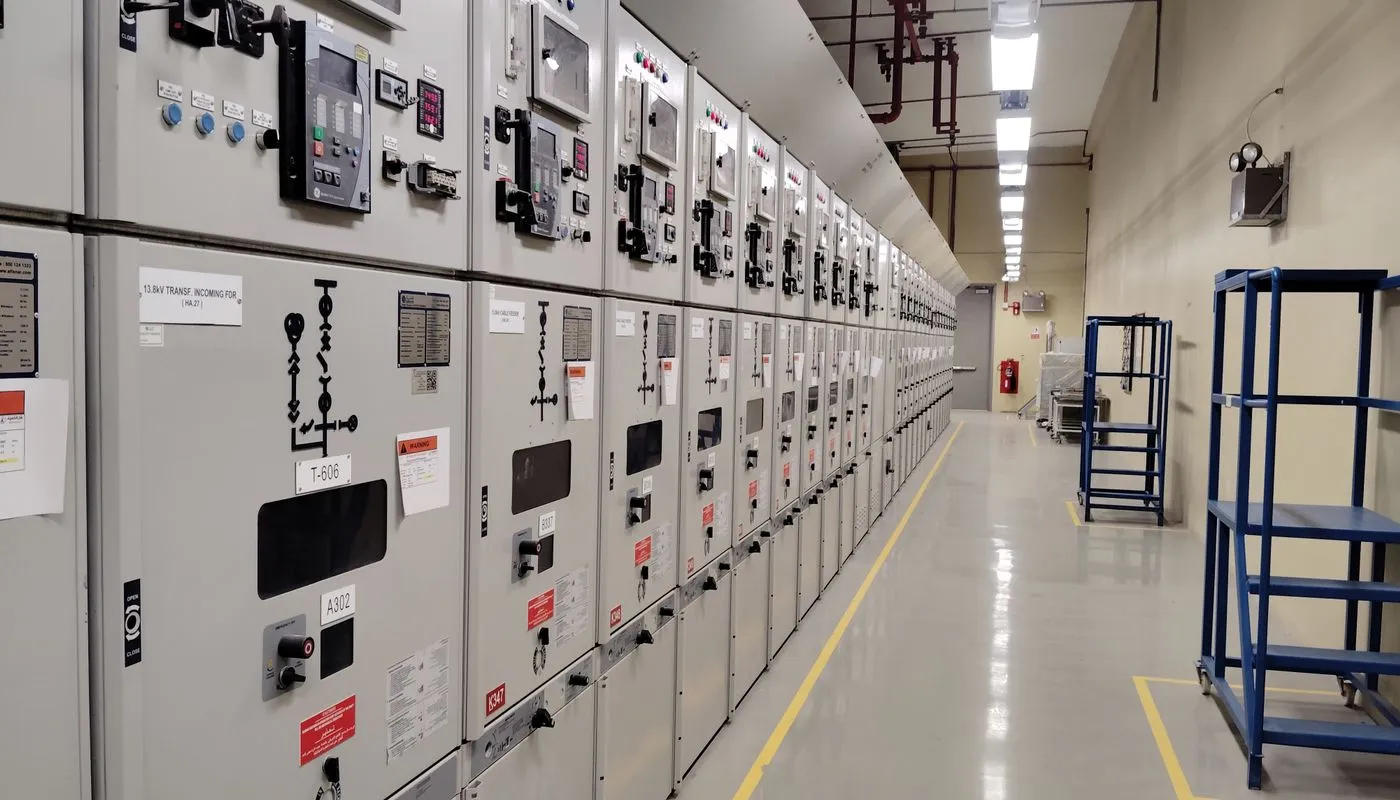
Industrial electrical control room with rows of switchgear and control panels

Industrial automation components

Industrial Automation Components & Electronics Sourcing

Keep industrial controls, PLC platforms, drives, instrumentation, and factory networks supported with legacy IC sourcing, lifecycle review, and controlled alternative identification.

Legacy platform support
Extended-temperature parts
Continuity and second-source planning

Industry sourcing brief

What changes the sourcing decision in industrial automation

Industrial electronics must remain serviceable through long machine, facility, and control-system lifecycles. PLC modules, motor drives, instrumentation, and communication cards often depend on mature-node ICs that are no longer priorities for the original semiconductor roadmap.

We help procurement teams separate urgent maintenance demand from planned production requirements, source the exact legacy component, and document alternatives when a board revision or controlled redesign is the more sustainable path.
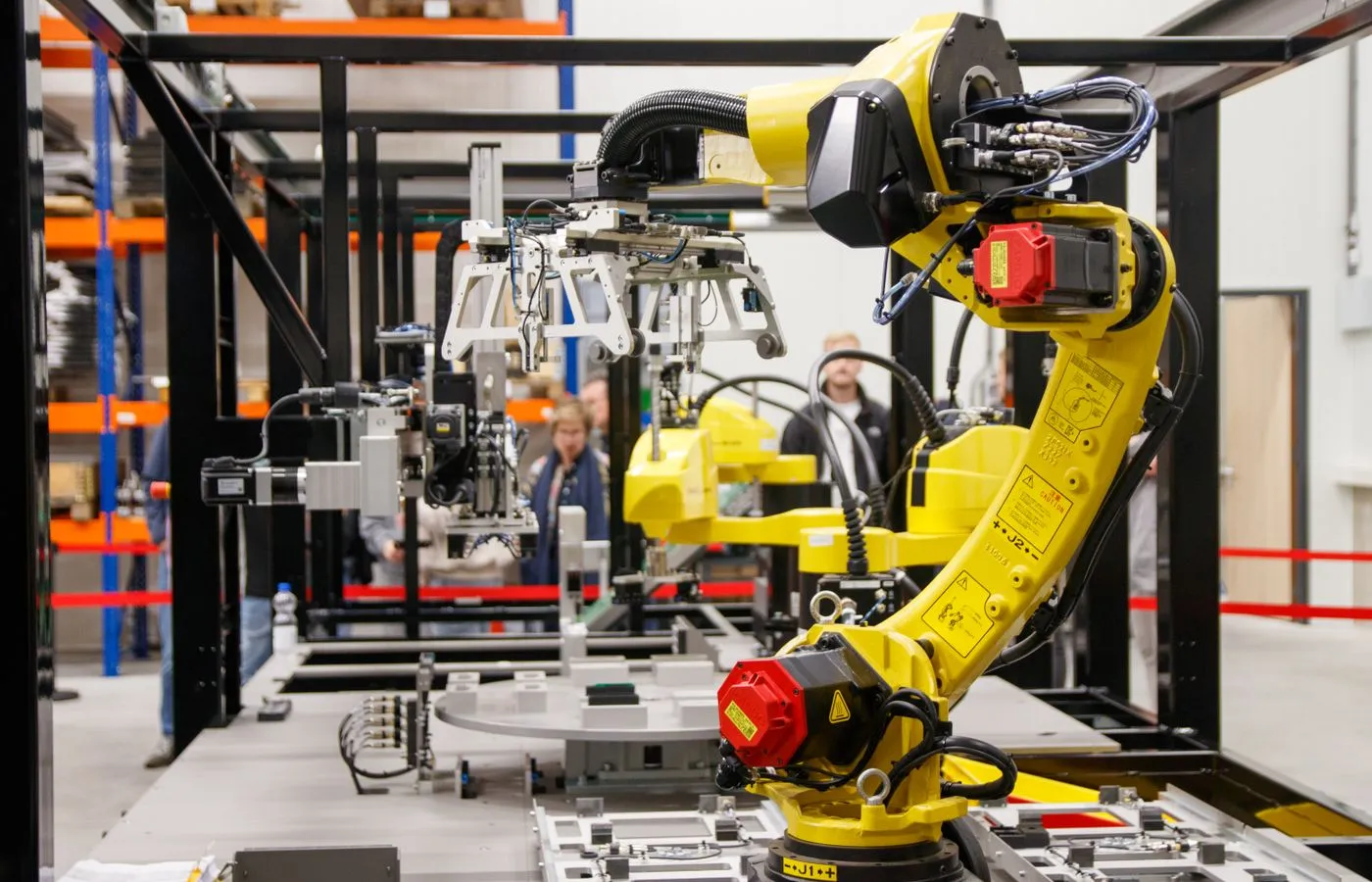
Industrial robot operating inside an automated manufacturing cell
Robotics combines control, motion, sensing, safety, communications, and power electronics.
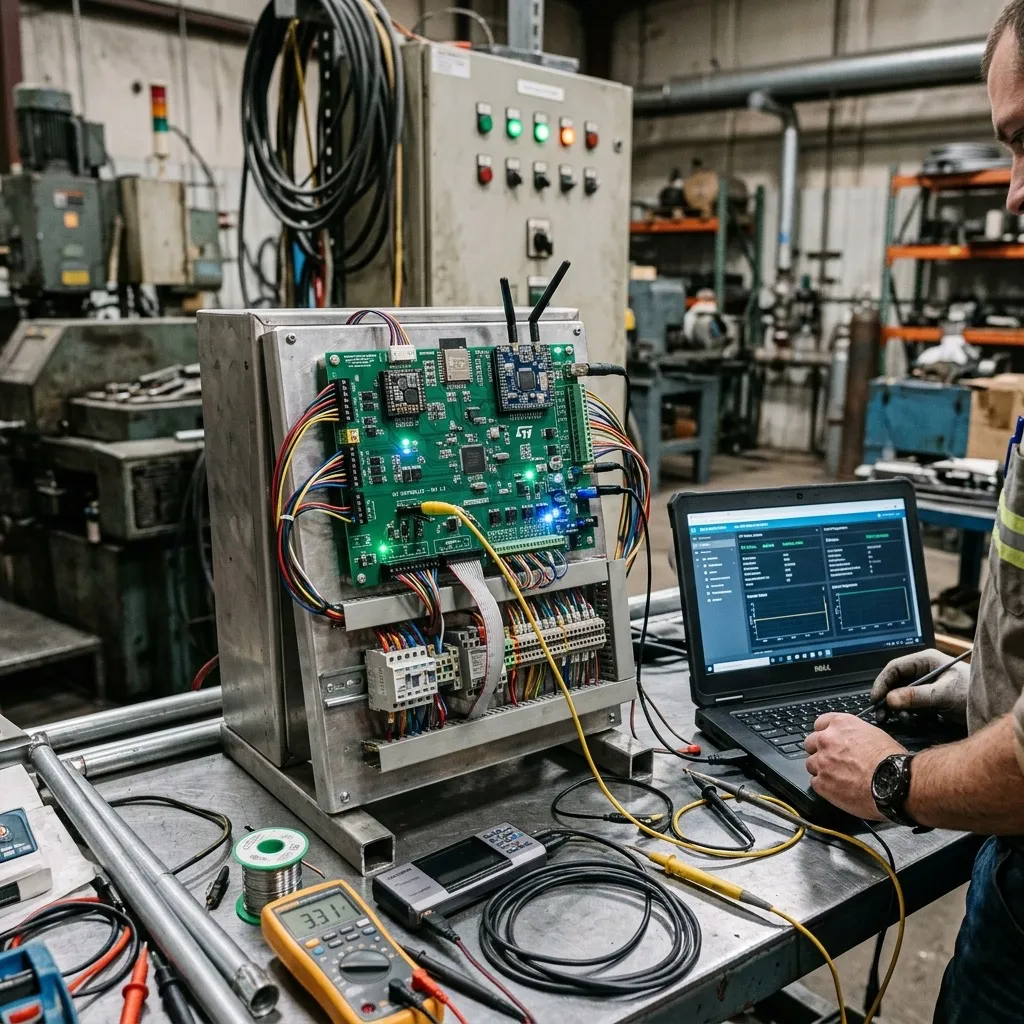
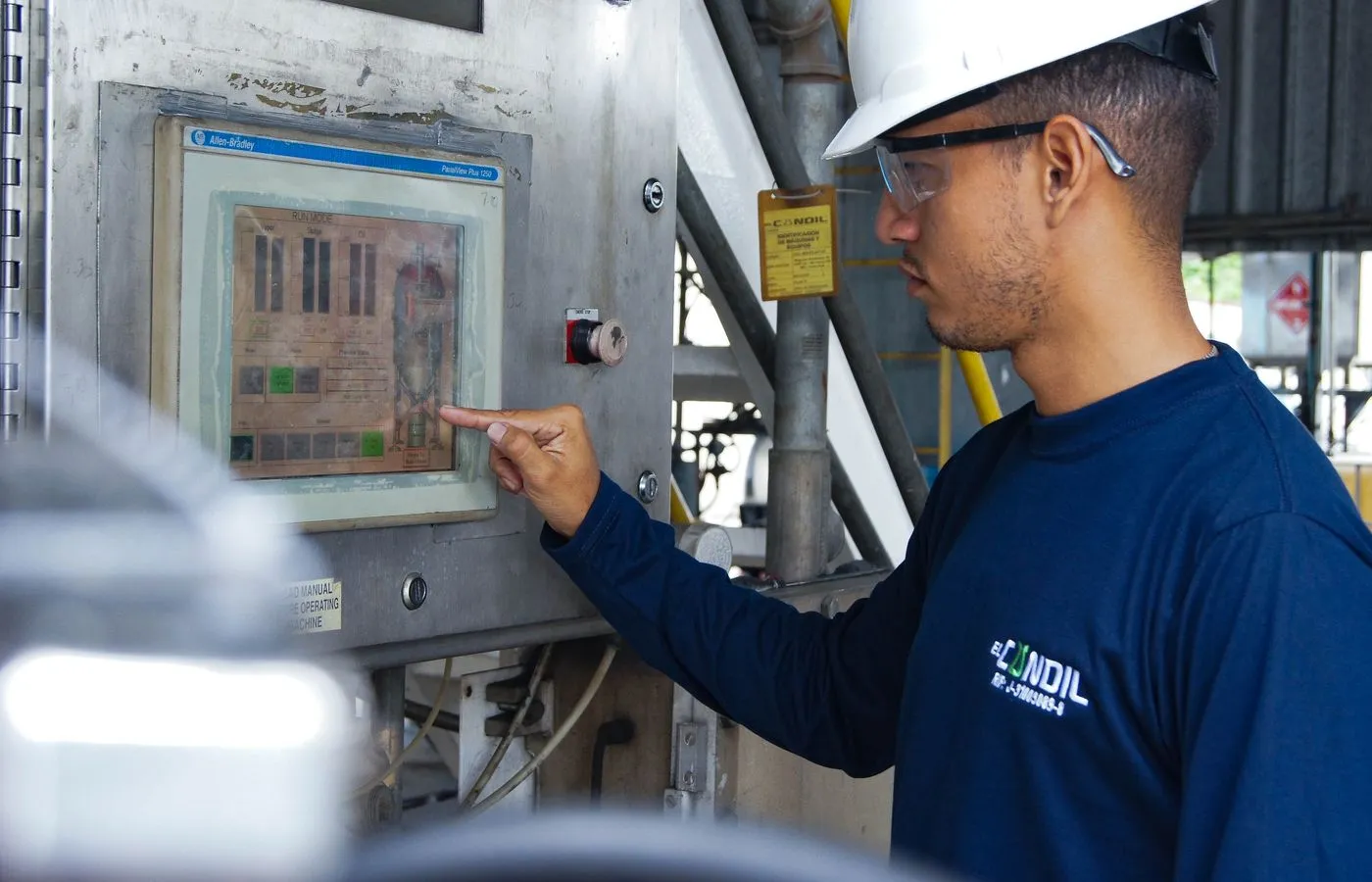
Industrial control engineer operating a machine control panel
The installed control and I/O baseline determines what can be repaired or changed safely.
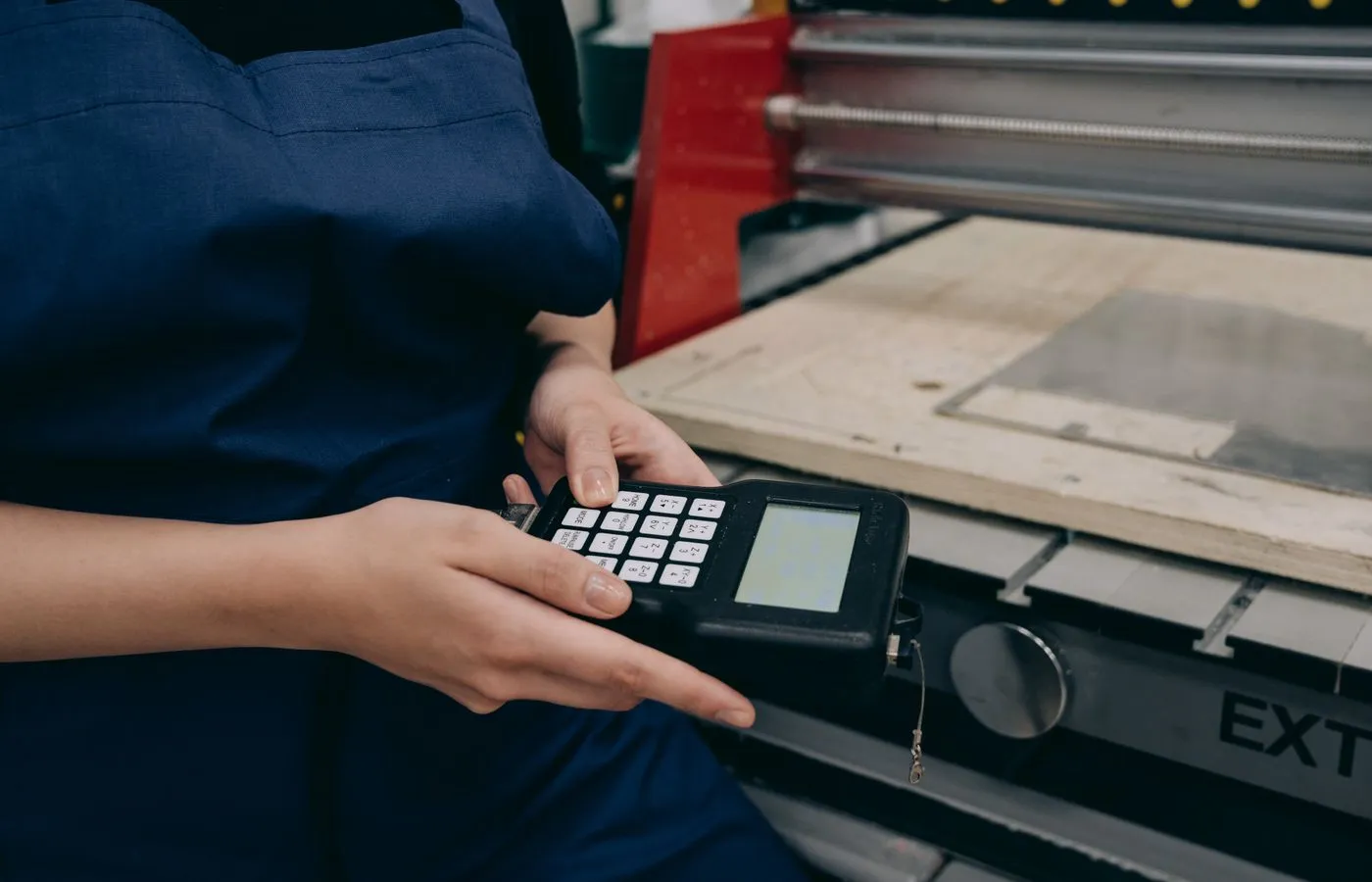
Technician using a handheld industrial machine controller
Legacy operator interfaces and controllers often require long-term component support.

Procurement decision factors

Questions that determine the viable sourcing route

01

What is the installed equipment baseline?

Board revision, complete part suffix, firmware, I/O configuration, and known failure mode.

Exact replacement, controlled repair, or board-level change.

02

Which environmental limits matter?

Temperature, isolation, surge, vibration, humidity, duty cycle, and enclosure conditions.

The minimum electrical, package, and qualification envelope.

03

How costly is downtime?

Available spares, maintenance window, production impact, and replenishment lead time.

Urgent sourcing versus planned continuity work.

04

How long must the control platform be supported?

Service horizon, annual usage, component lifecycle, and redesign resources.

Buffer stock, same-family migration, second source, or redesign.

Application coverage

Systems and functions we support

PLC & process control

Industrial MCUs · Digital isolation · Analog I/O · Memory and timing

Motor control & robotics

Gate drivers · Current sensing · Encoders · Power modules

Industrial networks

Ethernet PHYs · RS-485/CAN · Fieldbus controllers · ESD/surge protection

BOM coverage

Component families reviewed together

Control & I/O

MCUs · DSPs · FPGAs · I/O expanders

Motion & power

IGBT/SiC · MOSFETs · Gate drivers · Isolation

Communication

Industrial Ethernet · RS-485 · CAN · Wireless modules

Technical review scope

What engineers examine beyond availability

The useful comparison points depend on the circuit role, operating environment, released configuration, and the consequence of failure. These four review areas define the first technical brief for industrial automation requirements.

01

PLC and control baseline

Industrial automation components are matched to the board revision, MCU or FPGA configuration, I/O map, programmed memory, communication stack, and the installed machine’s service documentation.

02

Industrial interfaces and isolation

RS-485, CAN, fieldbus, industrial Ethernet, digital isolation, analog I/O, surge, and ESD behavior are reviewed together because field wiring and ground conditions shape the real margin.

03

Motion, power, and thermal duty

Gate drivers, industrial semiconductors, current sensing, motor-control devices, and power modules are checked for switching behavior, protection, cooling, load profile, and enclosure temperature.

04

Service continuity economics

For industrial electronics, an inexpensive obsolete device may protect a high-value production asset. Stock buffers, second sources, repair demand, and redesign timing are compared against the cost of downtime.

Risk priorities

Issues to resolve before an offer becomes a decision

  1. RISK 01

    Legacy installed base

    A control board may remain operational for decades after one or more of its semiconductors become obsolete.

  2. RISK 02

    Harsh environments

    Temperature range, isolation, surge tolerance, vibration, and package robustness narrow the acceptable supply set.

  3. RISK 03

    Downtime economics

    A low-cost IC can create a high-cost outage when it is the only unavailable item in a repair or build.

Procurement response

From exact requirement to an auditable decision

A useful sourcing response explains what was matched, what evidence is available, where uncertainty remains, and which approvals are still required.

  1. 01

    Identify the installed baseline

    Capture the exact part suffix, board revision, environment, failure mode, and service horizon.

  2. 02

    Secure the exact part

    Search verified stock and align lot, package, date-code, and inspection requirements.

  3. 03

    Assess continuity risk

    Flag sole-source, EOL, constrained, and aging lines across the affected BOM.

  4. 04

    Prepare a durable route

    Compare buffer stock, same-family migration, second source, or board redesign options.

Qualification boundary

Application requirements remain order-specific

Industrial replacement decisions should be based on the equipment maker’s specification and the actual operating environment. Temperature grade or a matching footprint alone does not establish functional equivalence.

Manufacturer inventory

Relevant supply paths

FAQ

Industrial Automation component sourcing questions

Can you help keep an obsolete industrial control board in service?

Yes. We can search for the exact legacy components, review sourcing evidence and inspection options, and help identify candidate migration paths when stock is no longer sustainable.

Do you source extended-temperature components?

Yes, when the full ordering code and required temperature grade are specified. We verify the suffix and package rather than assuming all members of a family carry the same rating.

How do you approach an industrial component cross-reference?

We compare the electrical function, pinout, package, timing, protection features, temperature range, lifecycle, and application constraints, then provide candidates for customer engineering validation.

Discuss a industrial automation component requirement

Provide the exact manufacturer part number, quantity, required date, application constraints, and documentation needs. We will respond with the next practical sourcing step.