Table of Contents
The automotive industry in 2026 operates under a paradox: while the broader semiconductor shortage of the early 2020s has stabilized, specific nodes and families of Automotive Microcontrollers (MCUs) remain persistently constrained. As vehicles transition to fully software-defined architectures (SDVs) and advanced driver-assistance systems (ADAS) become standard, the demand for high-reliability AEC-Q100 qualified MCUs from NXP, STMicroelectronics, and Infineon often outstrips foundry allocation.
When an assembly line is facing an imminent shutdown due to a missing MCU, traditional procurement strategies hit a wall. This is where Pin-to-Pin (P2P) Cross-Referencing—backed by profound technical expertise and rigorous quality assurance—becomes the ultimate safety net.
The Complexity of Automotive Replacements
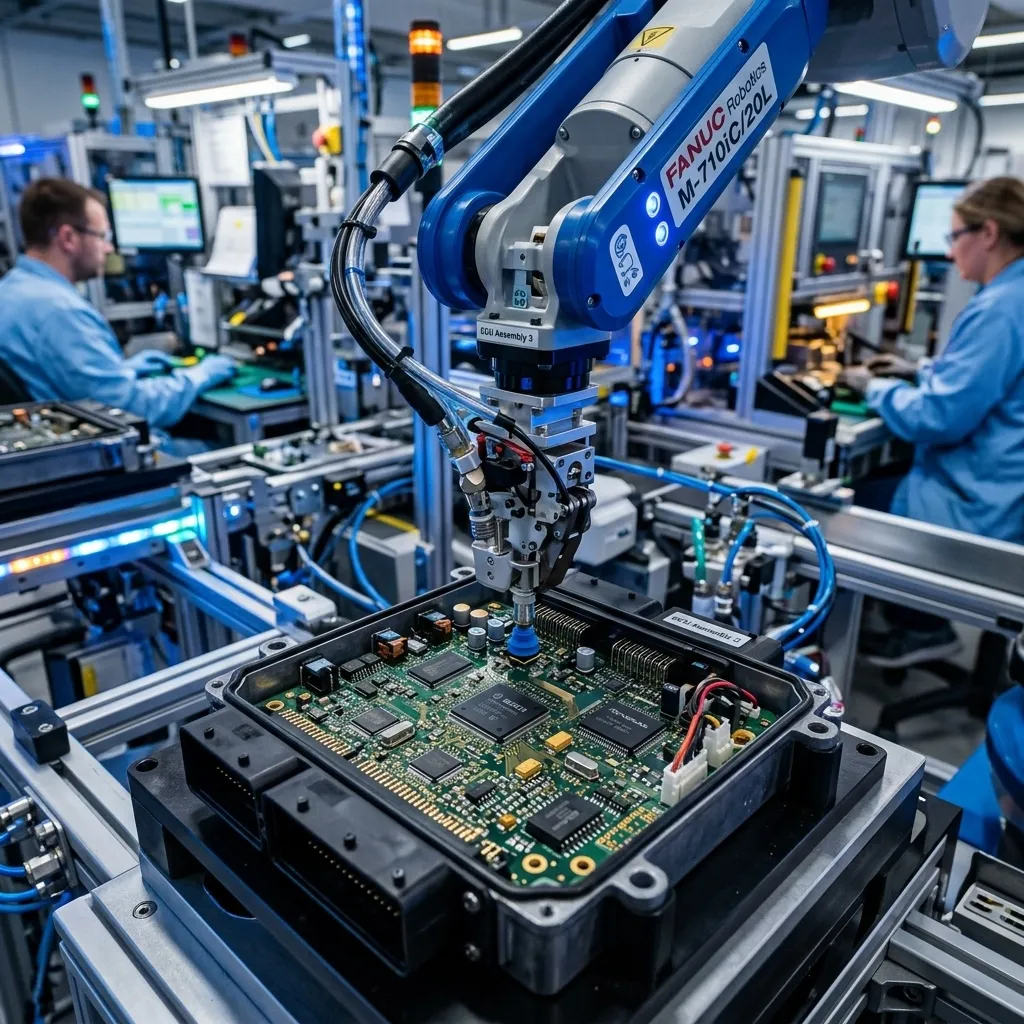
Unlike consumer electronics, swapping a component in an automotive Electronic Control Unit (ECU) is fraught with risk. The replacement must not only fit the same PCB footprint (Pin-to-Pin) but must also match the exact electrical characteristics, thermal tolerances, and functional safety standards (ISO 26262) of the original part.
Our Technical Expertise in Action
At SupplyICs, we do not simply match part numbers; we perform engineering-level datasheet analysis.
For example, consider a scenario where the widely used STM32F103 series (or its automotive equivalent) is completely allocated. A standard broker might simply report no stock. Our engineers, however, will actively evaluate alternatives such as the GD32F103 or equivalent lines from other major fabs.
We analyze critical parameters:
- Clock Speed and Flash Memory: Ensuring the alternative has identical or superior processing headroom to prevent timing faults in real-time operating systems.
- Peripheral Mapping: Verifying that CAN, LIN, and SPI interfaces map perfectly to the exact same physical pins without requiring PCB respins.
- Voltage and Thermal Ratings: Confirming the alternative part meets the stringent AEC-Q100 Grade 1 or Grade 0 temperature ranges (up to 150°C ambient) required for under-hood applications.
By providing our clients with a fully vetted, engineer-approved P2P cross-reference, we transform a supply chain crisis into an actionable solution.
Experience: A Tier-1 Supplier Success Story
In early 2026, a Tier-1 automotive supplier in North America contacted us. Their production of a critical braking control module was hours away from a line-down due to a sudden allocation cut from their primary MCU manufacturer.
Leveraging our historical sourcing experience and technical database, our team identified a fully compliant, Pin-to-Pin alternative from a secondary, highly reputable semiconductor manufacturer. We provided the client’s engineering team with a comprehensive side-by-side datasheet comparison. Within 24 hours, their engineering board approved the deviation. SupplyICs then secured 50,000 units of the alternative MCU from our vetted global network, allowing production to continue seamlessly.
Quality Assurance: Zero Compromise on Safety
In the automotive sector (a classic “Your Money or Your Life” - YMYL domain), component failure can lead to catastrophic consequences. Recommending a P2P alternative is only half the battle; ensuring the parts are 100% authentic and defect-free is where true trust is built.
Our Quality Assurance (QA) protocol for automotive components is uncompromising:
- Traceability: We prioritize inventory with full factory traceability and clear chain-of-custody documentation.
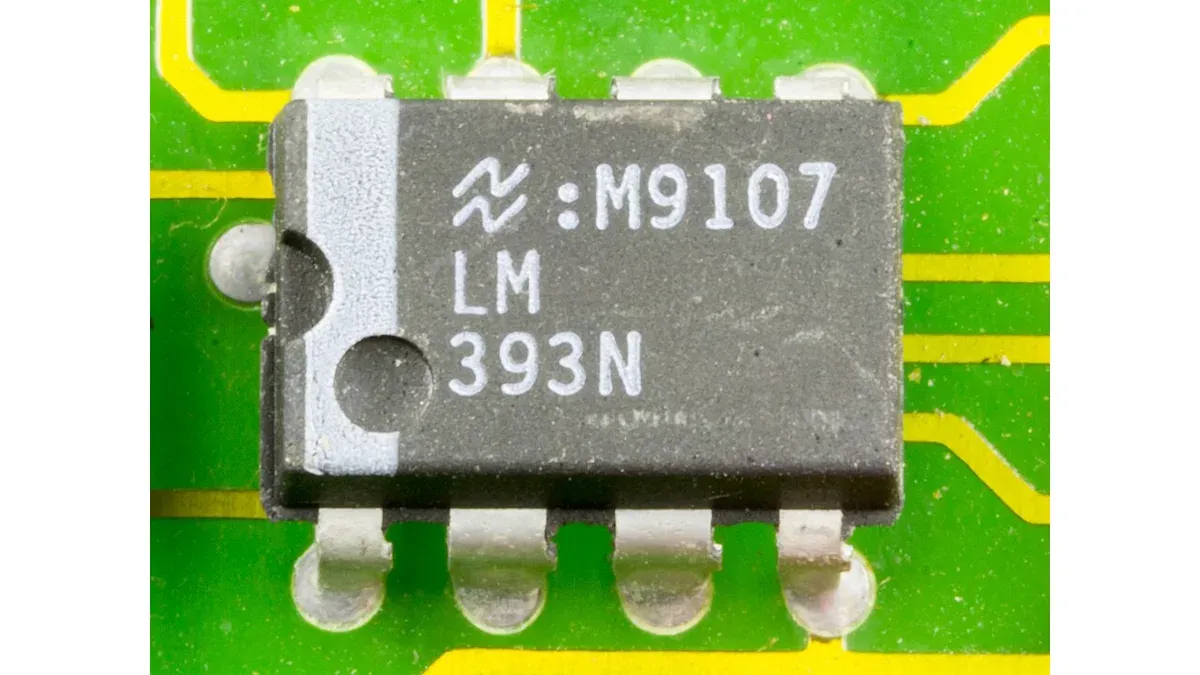
- Advanced Inspection: Every batch of MCUs undergoes high-resolution microscopy to verify the laser etching and package integrity.
- Electrical Testing Validation: When required, we partner with certified third-party testing labs to perform curve-tracing and electrical functional testing across the full automotive temperature spectrum, ensuring the parts perform exactly as the datasheet promises.
Conclusion
Navigating the 2026 automotive semiconductor market requires more than just a rolodex of suppliers; it demands a synergy of engineering expertise, real-world sourcing experience, and unyielding quality control. By leveraging intelligent P2P cross-referencing and robust QA frameworks, SupplyICs empowers automotive manufacturers to maintain production resilience without ever compromising on safety or reliability.
Facing a line-down situation for automotive MCUs or other critical components? Reach out to the SupplyICs engineering team for expert P2P recommendations and fully vetted, authentic inventory.
Frequently Asked Questions (FAQ)
What are the main sourcing challenges for this semiconductor family in 2026?
Automotive MCU shortages require dynamic engineering solutions. When a primary controller is allocated, teams must analyze package and pinout footprin...