Table of Contents
The global memory market is undergoing its most dramatic architectural shift in a decade. Procurement professionals managing enterprise server, industrial PC, and networking equipment BOMs are finding themselves competing against hyperscale AI data centers for raw silicon capacity.
As we review the semiconductor memory market outlook q2 2026, this analysis unpacks the fundamental supply-demand dynamics of the memory sector, providing data-driven foresight for enterprise sourcing strategies.
The HBM Capacity Squeeze Effect
High-Bandwidth Memory (HBM) is essential for AI accelerators (like those from NVIDIA and AMD) because it overcomes the “memory wall” by vertically stacking DRAM dies using Through-Silicon Vias (TSVs). When evaluating lead times for procuring ai accelerator hardware 2026, memory is the primary bottleneck. Furthermore, ai chip packaging trends 2026 indicate that this incredible performance comes at a severe manufacturing cost, as the ai data center logic chip demand advanced packaging materials outstrips global CoWoS capacity.
According to recent data from TrendForce and industry consensus, producing 1GB of HBM requires roughly 2.5 to 3 times the raw wafer capacity compared to 1GB of standard DDR5. Furthermore, the complex packaging process inherently lowers overall yield rates.
The “Big Three” memory makers—SK Hynix, Samsung, and Micron—have universally prioritized HBM allocation. Currently, hbm lead times 2026 stretch to 52 weeks or are entirely sold out for new customers. Their rationale is simple: HBM commands a massive price premium and represents guaranteed, multi-year take-or-pay contracts from the world’s largest tech companies.
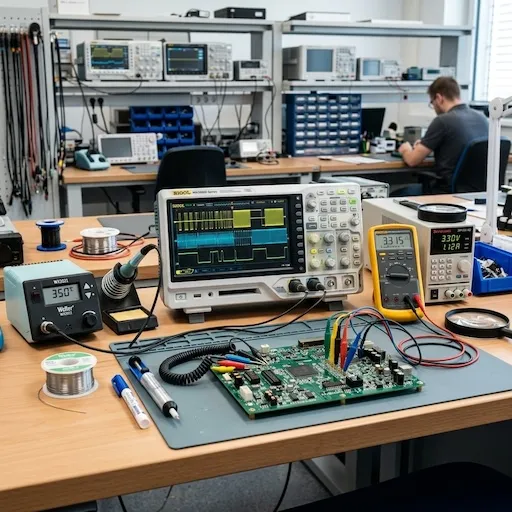 Fig 1: Estimated 2026 DRAM Wafer Start Allocation. The growing share of HBM is directly eroding capacity previously dedicated to DDR4 and mobile DRAM.
Key 2026 Market Dynamics
- DDR5 Pricing Trajectory: As IDMs migrate their cutting-edge nodes (like 1b and 1c nm) to HBM3E and the upcoming HBM4, standard DDR5 supply growth is artificially capped. We project a steady 8-12% quarter-over-quarter price increase for enterprise-grade DDR5 RDIMMs throughout the second half of 2026.
- The Legacy DDR3/DDR4 Dilemma: While top-tier IDMs focus on advanced nodes, production of DDR3 and standard DDR4 is being outsourced or left to specialized foundries (such as Nanya Technology or Winbond). Industrial buyers relying on mature DRAM architectures must secure long-term allocations now, as legacy die production is systematically winding down.
- NAND Flash Divergence: Unlike DRAM, NAND flash is not currently constrained by AI workloads. High-capacity Enterprise SSDs remain in healthy supply, with pricing expected to remain flat or slightly decline as 200+ layer 3D NAND yields improve across manufacturers.
Sourcing Strategies for Non-AI Enterprise Buyers
If you are sourcing memory for traditional servers, industrial automation, or telecommunications equipment, you cannot afford to outbid AI hyperscalers. Instead, you must outmaneuver the market constraints.
1. Extend Visibility and Blanket Orders
The days of spot-buying DRAM at favorable prices are temporarily suspended. We advise clients to issue 12-month rolling forecasts and secure blanket POs with scheduled deliveries. Committing to backlog is the most reliable way to secure allocation from top-tier IDMs.
2. Qualify Niche and Regional Memory Brands
Do not limit your Approved Vendor List (AVL) to the Big Three. For DDR3 and DDR4 requirements, aggressively qualify tier-two manufacturers. Brands from Taiwan and mainland China have made significant strides in automotive and industrial-grade memory reliability and currently possess the mature-node capacity that the top-tier players have abandoned.
3. Utilize Strategic Independent Distributors
When franchised lead times stretch to 20+ weeks, hybrid independent distributors become essential. SupplyICs leverages a global network to aggregate excess inventory from EMS providers and OEMs worldwide. Our rigorous E-E-A-T aligned quality assurance protocols ensure that every memory module—whether sourcing a rare DDR4 industrial temperature chip or securing standard DDR5 DIMMs—is fully authenticated before reaching your dock.
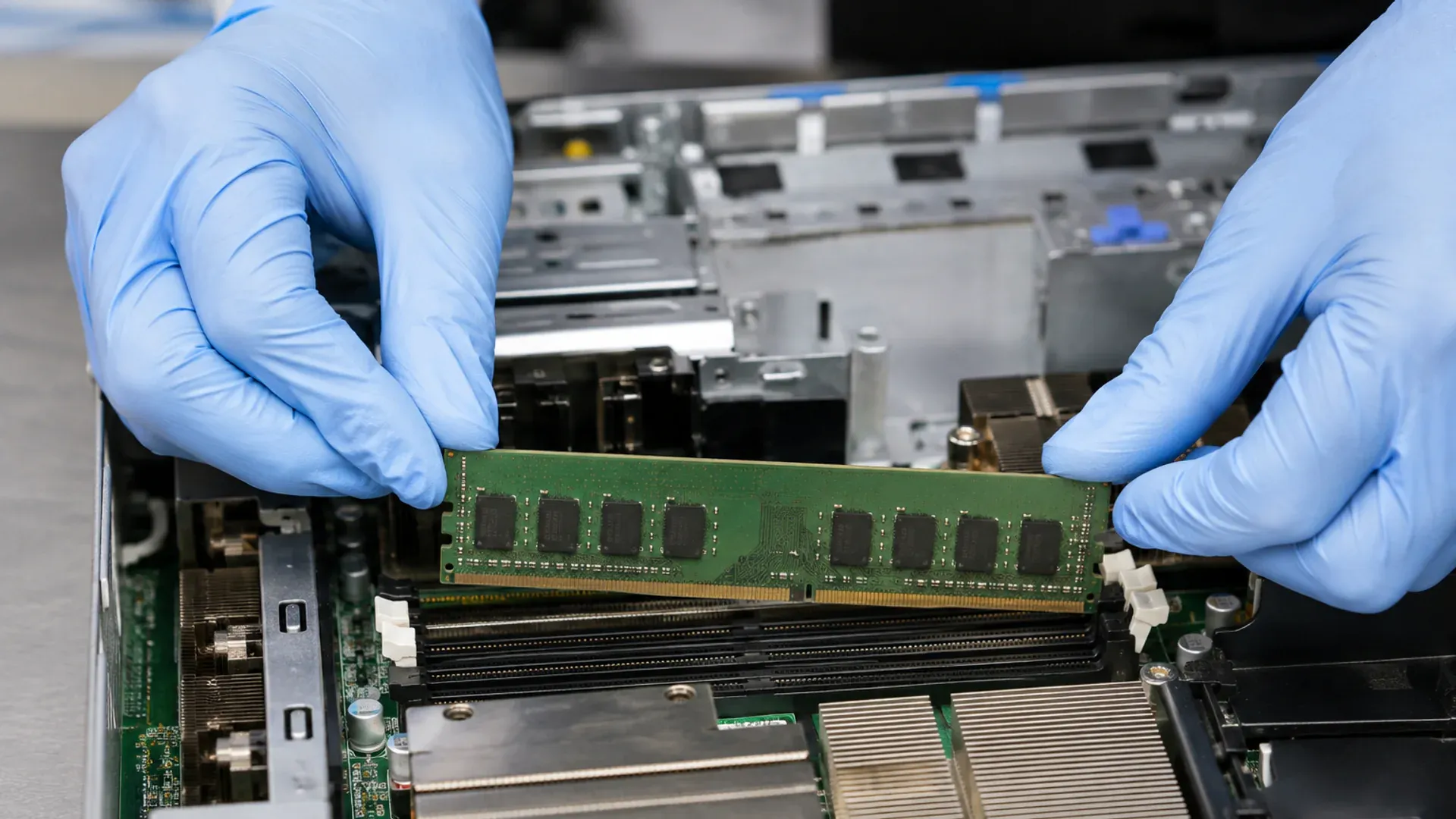
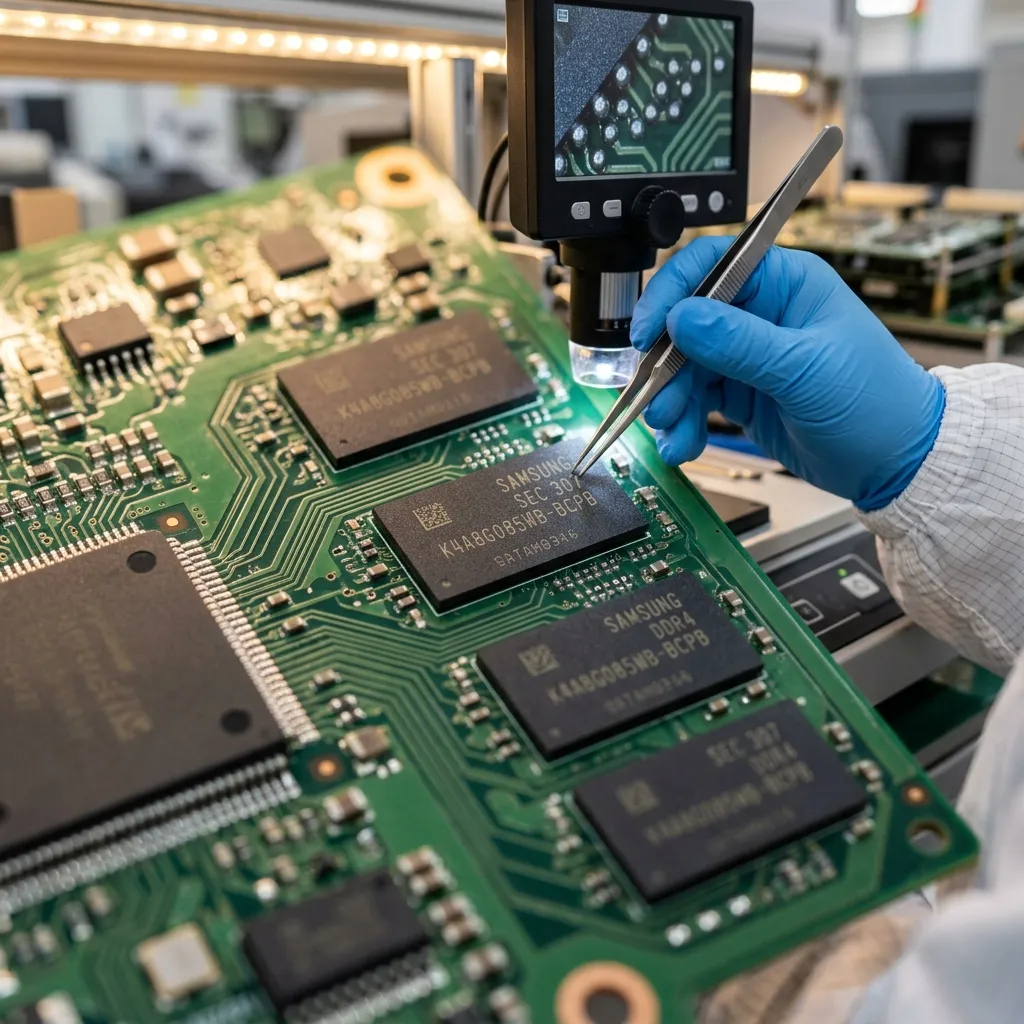 Fig 2: Rigorous functional and structural testing of memory modules at SupplyICs to prevent the infiltration of substandard or remarked grey-market inventory.
The Bottom Line
The 2026 memory market is a classic example of asymmetric demand. AI’s hunger for HBM is reshaping the entire semiconductor wafer landscape. Procurement leaders must recognize that standard DRAM is no longer a commodity; it is a strategic asset subject to the gravitational pull of the AI boom.
By diversifying supplier bases, locking in long-term forecasts, and partnering with intelligence-driven sourcing experts, supply chain teams can navigate this tight market without compromising on quality or production schedules.
Need immediate allocation for DDR4/DDR5 modules or specialized industrial memory? Contact SupplyICs for real-time market pricing and availability. Our specialized memory procurement desk is ready to assist.
Frequently Asked Questions (FAQ)
What are the main sourcing challenges for this semiconductor family in 2026?
High-Bandwidth Memory (HBM) capacity is fully allocated through Q4 2026. The supply chain is limited by wafer-level advanced packaging and high-precis...