Table of Contents
A blanket component order can simplify repeated purchases while making the remaining commitment harder to see. The danger appears when a forecast, a firm release and a supplier’s factory order are all described as “open quantity,” even though they represent different obligations.
The control point is the release ledger. It should show what the buyer has authorized, what the supplier has acknowledged, what has arrived and what remains exposed if demand changes. Unit-price negotiation is only one part of that record.
What does a blanket purchase order commit the component buyer to?
The commitment is whatever the accepted agreement and releases specify. Depending on their terms, the buyer may commit a total quantity, individual releases, a minimum spend or another defined obligation. The word “blanket” does not settle cancellation or rescheduling rights.
UC Berkeley’s blanket-order guidance describes orders with multiple delivery dates and negotiated pricing. Its institutional approval thresholds are specific to Berkeley. For an electronic-component purchase, use the actual supplier agreement to establish the commercial exposure.
Keep four concepts separate: a demand forecast, permission to procure material, a firm delivery release and a received quantity. A document may combine some of them, but the operating ledger should still identify which event changes the buyer’s commitment.
How should forecasts and firm releases be separated?
Mark each schedule line with its authorization state, revision and effective date, and require the supplier’s acknowledgment to use the same reference. A revised forecast should not silently replace or cancel an acknowledged firm release.
A practical record includes:
| Schedule state | Meaning to record | Evidence to retain |
|---|---|---|
| Forecast | Planning demand with the agreed degree of commitment | Forecast revision and contractual treatment |
| Material authorization | Permission to buy or build ahead, if used | Quantity, time horizon and excess treatment |
| Firm release | Approved delivery instruction | Release ID, quantity and supplier acknowledgment |
| Shipped or received | Execution against a specific release | Shipment, receipt and discrepancy references |
This classification is an editorial control model, not a universal contract vocabulary. Map the supplier’s terminology to it before the first release. If “forecast” is binding in the accepted terms, label that exposure explicitly.
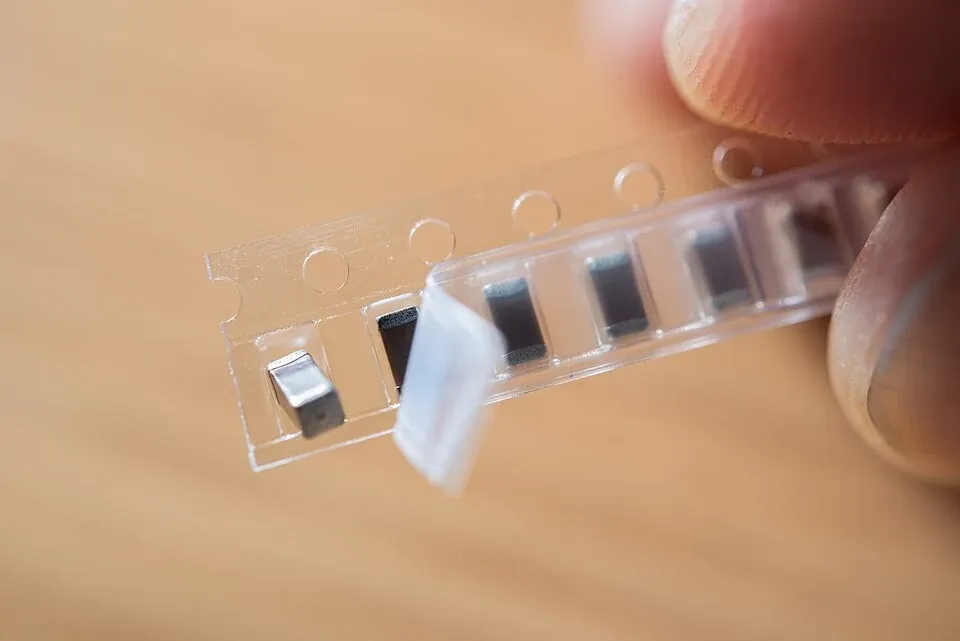
A quantity ledger that avoids double counting
Suppose an agreement commits 60,000 pieces over its term. Firm releases total 24,000, of which 9,000 have been received. The remaining committed quantity is 51,000, comprising 15,000 open released pieces and 36,000 unreleased pieces.
The released quantity is part of the 60,000-piece commitment. Adding 24,000 to 60,000 would count the same obligation twice. Conversely, reporting only the 15,000 open released pieces would hide the unreleased commitment.
If the agreement instead commits only accepted releases, the same delivery history produces a different commitment picture. The ledger must follow the actual agreement, not the example’s assumptions.
A cancellation request for 5,000 pieces should remain a pending change until the supplier’s response is recorded. Do not reduce the committed balance merely because an internal planner has removed the demand.
Which changes need a new acknowledgment?
Changes to quantity, dates, ordering code, price, source restrictions or packing requirements need the approval and acknowledgment defined in the agreement. Record the old and new values so the receiving team can determine which revision governed a shipment.
For scheduled components, three change paths deserve particular attention. A pull-in may require a different lot or split shipment. A push-out may affect storage, warranty timing or handling costs. A product change or discontinuance may make the original schedule impossible without a separate technical decision.
Keep the existing RFQ comparison record as the commercial baseline, but use the release ledger to manage execution after award. A quote snapshot cannot show later commitments by itself.
How do you close a blanket order without leaving residual exposure?
Reconcile physical deliveries, open firm releases, unreleased commitments, returns and invoices, then obtain the closure acknowledgment required by the agreement. A zero open-receipt balance is insufficient if the supplier still holds authorized material.
At each review, compare the demand horizon with the time remaining in the agreement. If there is a likely surplus, quantify it while rescheduling or disposition options still exist. The final record should identify which quantities were delivered, canceled by agreement, transferred into a new schedule or otherwise resolved.
That history gives the next buyer a usable starting point. It also prevents a new annual agreement from being placed on top of an unresolved prior commitment.
Frequently Asked Questions (FAQ)
Does a blanket order reserve factory capacity automatically?
No. Reservation or allocation needs explicit supplier acknowledgment describing the quantity, timing and conditions. A planning forecast or a price agreement alone is insufficient evidence.
Can one blanket order contain several manufacturer part numbers?
Yes, if the accepted order structure supports separate controlled lines. Each code needs its own quantity, price, release schedule and change history.
Should receipts close the blanket agreement automatically?
Receipts should reduce the appropriate open delivery balance. Agreement closure also requires reconciliation of unreleased commitments, open releases, invoices, returns and any agreed residual obligations.